Applications of Subtle Textures in Architecture and Interior Design
Architectural relief to add depth, rhythm, and presence to various interior spaces.
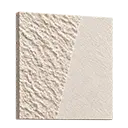
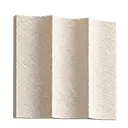
Subtle relief allows walls and interior surfaces to be transformed through variations in depth, geometry, and visual continuity, integrating the cladding as part of the project’s architectural language.
The solution can be adapted to different scales and applications, ranging from localized interventions to larger surfaces where rhythm and continuity take center stage.
Beyond the 3D Decorative Panel
Unlike standardized decorative solutions, Light Relief is conceived as an architectural cladding system integrated into the project, where depth, geometry, scale, and visual continuity are considered in relation to the characteristics of each space.
Retail and commercial spaces
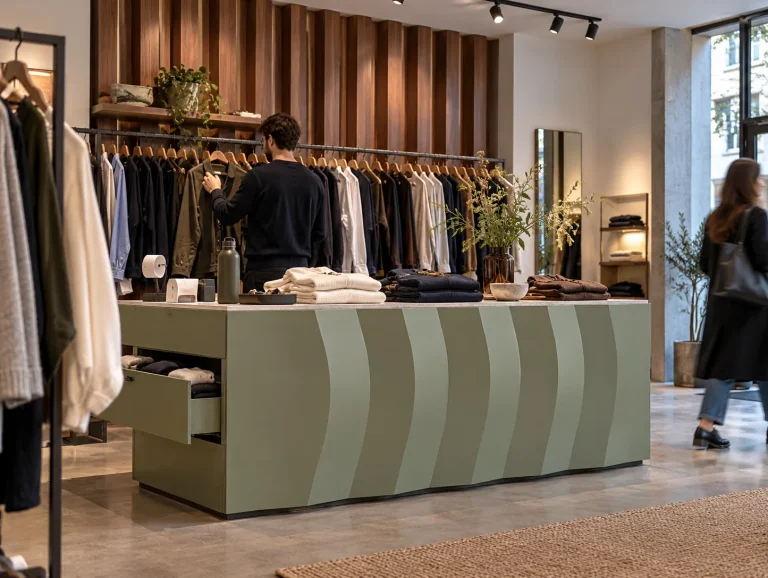
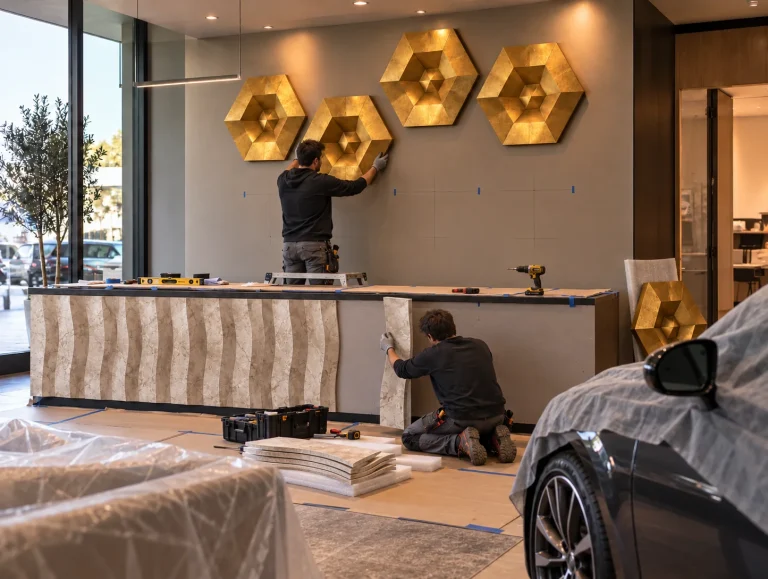
In retail, textured finishes can be used on feature walls, product backdrops, display areas, storefronts, or areas associated with the space’s identity.
Geometry, scale, and repetition allow for the creation of a cohesive surface and help maintain a consistent design language across different zones or stores.
Hospitality
In hotels, restaurants, and other hospitality spaces, relief can be incorporated into reception areas, headboards, hallways, bars, and common areas.
The surface depth and rhythm can be adapted to the character of the setting, ranging from understated compositions to installations with a more pronounced architectural presence.
Offices and Corporate Spaces
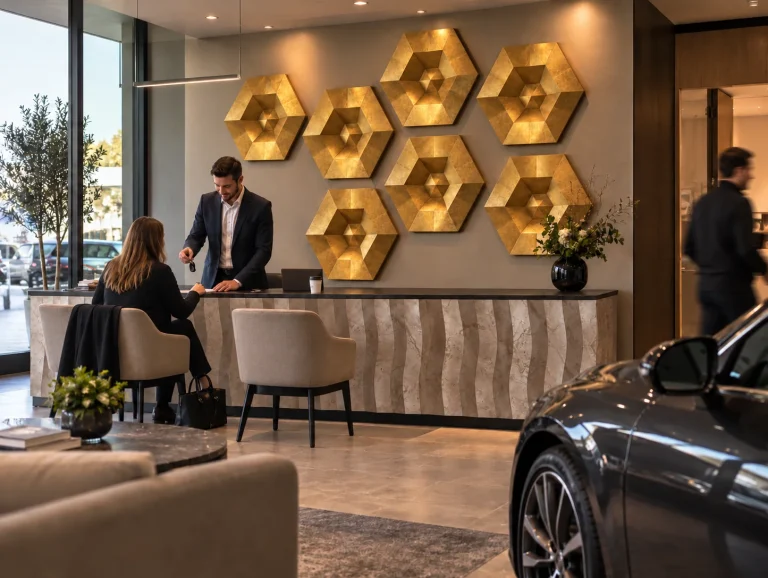
Lobbies, meeting rooms, common areas, and representative spaces can incorporate architectural texture to reinforce their identity and add depth to surfaces.
Combining these elements with texture, color, graphics, or finishes allows the cladding to align with the project’s visual language.
Showrooms and Brand Spaces
Relief can be incorporated into the exhibition design through backdrops, feature walls, or surfaces that complement the product display.
Visual continuity allows the same geometric logic to be extended across different areas and helps create a recognizable identity within the space.
Contract and Interior Design
In contract and interior design projects, texture allows designers to treat entire walls or specific areas to create varying degrees of visual emphasis.
The scale, proportion, orientation, and rhythm of the composition can be considered in relation to the dimensions and characteristics of the surroundings.
Cultural and Exhibition Spaces
Museums, exhibitions, and cultural spaces can incorporate relief as part of the architectural composition or the visitor experience.
Geometry and repetition can be adapted to the characteristics of the space to create surfaces that are integrated into the exhibition concept.
Different levels of presence
Not all applications require the same level of depth.
Light Relief can range from more subtle surface variations to compositions where geometry, rhythm, and shadow take on a greater visual presence, while always maintaining depth tied to the plane.
When the form takes on greater substance, projection, and spatial presence, the solution shifts to Architectural Volume.
Real-world validation
When project requirements call for it, Actilum can develop a sample or prototype to validate scale, depth, proportion, and perception prior to production.
This makes it possible to verify how the architectural relief integrates with the actual dimensions and characteristics of the space.
Applications of Subtle Textures in Architecture and Interior Design Architectural relief to add depth, rhythm, …
Configurations and Design Options for Light Relief Depth, geometry, and rhythm as variables for defining …
Technical Information and Support for Light Relief Guidelines for specifying, integrating, and validating architectural relief …
The images on this page are conceptual renderings generated using artificial intelligence.