



Actilum Spectrum: Tailor-made light spectra
CCT
Correlated color temperature (CCT) in LED illumination
Correlated Color Temperature (CCT) is a key metric in the dimmable LED lighting industry, especially when talking about spaces where LED lighting control through color temperature adjustment is essential for task performance, visual comfort and aesthetics of the environment.
CCT is measured in degrees Kelvin (K) and describes the hue emitted by a light source, categorizing it within a spectrum ranging from warm to cool tones.
CCT regulation in advanced lighting technology
In the context of advanced lighting systems, such as those offered by Actilum, the ability to adjust CCT is critical.
These systems allow users to regulate the illumination spectrum between 2,700K, which emits a warm light similar to that of an incandescent lamp, and 6,500K, which produces a cooler daylight more similar to natural midday light.
This dimming is achieved through the use of adjustable LED light technologies that combine different LEDs to adjust the light output to the desired color temperature.
Practical applications of Adjustable CCT
The importance of this capability in dimmable LED luminaires lies in its practical applications. For example, in office environments, a higher CCT (cooler light) adjusts colors to improve concentration and reduce eyestrain. On the other hand, in residential or restaurant environments, a lower CCT (warmer light) can create a cozy, relaxing atmosphere.
Impact of CCT on color rendering
In addition, the CCT setting has significant implications on color rendering, which affects how we see colors in the illuminated environment. Properly selected CCT can improve the appearance of objects, especially in environments where color accuracy is critical, such as in museums and art galleries.
Technology and energy efficiency
The technology behind CCT dimming in lighting systems such as Actilum’s involves precise electronic control of the intensity of the different LEDs within the system. This not only allows for customization of the lighting experience but also contributes to energy efficiency, as users can adjust the lighting to their specific needs, avoiding excessive use of artificial light.
The Future of Lighting with Adjustable CCT
The ability to adjust CCT in lighting systems represents a significant evolution in how we interact with spaces through light.
It not only improves the functionality and aesthetics of environments but also promotes wellness and sustainability.
The understanding and application of CCT in modern lighting is undoubtedly a step forward into the future of indoor and outdoor lighting.
Our commitment
Actilum focuses on innovation and offering advanced lighting solutions, prioritizing efficiency and light quality, adapted to the dynamic needs of users.
We recognize the significant impact of light on well-being and productivity, so our systems allow precise adjustment of correlated color temperature (CCT) to optimize the quality and quantity of light for each space according to activity or time of day.
Our dimmable LED products change light temperature and intensity, from 2,700K, creating warm color temperature environments, to 6,500K, for energizing daytime illumination.
Versatility
This versatility makes our solutions perfect for a wide variety of applications, from commercial spaces and offices to residential environments and entertainment venues.
Sustainability
At Actilum, we prioritize sustainability and environmental care, offering LED lighting systems that stand out for their low energy consumption and long life, thus minimizing the frequency of replacements and reducing waste.
Customization
Actilum’s technology focuses on customization and ease of use, allowing users to adjust lighting through intuitive controls and intelligent systems. This ensures that every user can create the perfect ambiance at the touch of a button, enhancing the experience of the lit space.
At Actilum, we believe that lighting should be adaptable, efficient and environmentally conscious.
We continue to research and develop new technologies that allow us to offer innovative products that not only illuminate spaces, but also contribute to creating healthier and more productive environments.
Solar Spectrum
Solar Spectrum at the forefront of LED technology
Innovative and efficient LED lighting
There are 2 variants of spectra, one with violet colors (420 nm) of the prestigious brand LED SEOUL and the other from blue light (450 nm) of the recognized brand NICHIA. Both have a wide spectrum and depending on the application their respective use.
The first spectrum of 420 nm is used especially to highlight textures on white colors and acts strongly in contrast as for example between red and white (light for butchers).
This technology, by combining several LEDs, generates a spectrum of high color rendering that simulates sunlight with exceptional fidelity, especially benefiting environments where the quality of light is crucial for color perception and well-being.
In the field of lighting, we pursue advanced solutions that accurately emulate sunlight, which is fundamental for human visual perception as well as for biological and chemical processes.
SOLAR 5K technology is emerging as a trend in interior lighting, proposing a light spectrum that approaches the solar spectrum, ideal for applications that demand high chromatic fidelity and visual comfort.

Sustainable lighting design
Advances in LED technology allow manufacturers to raise the CRI to high levels (99%).
An innovative approach that seeks to optimize the use of natural resources and minimize environmental impact.
This means that LED lights are not only energy efficient, but can also almost perfectly mimic the natural light spectrum, improving lighting quality without sacrificing performance.
This breakthrough represents a major step towards sustainability in lighting design, contributing to the creation of more pleasant and healthier environments, while significantly reducing energy consumption and greenhouse gas emissions.
Improved visual comfort with advanced lighting technology
SOLAR 5K technology enhances visual comfort due to the elimination of blue light peaks. With these LED technological advances, it reduces eye fatigue and improves visual clarity, essential in spaces occupied for prolonged periods of time and achieving a notable decrease in energy savings through its illumination levels and performance.
This technology gives us the best part of sunlight by eliminating ultraviolet and infrared.
Customized lighting solutions
They offer unprecedented adaptability to meet the specific needs of any space or project.
By integrating advanced technology, these solutions allow detailed customization, from intensity to color and light distribution, ensuring that each area is optimally illuminated.
This customization improves not only the aesthetics and functionality of the space but also energy efficiency, creating environments that align perfectly with the visual and emotional requirements of the users.
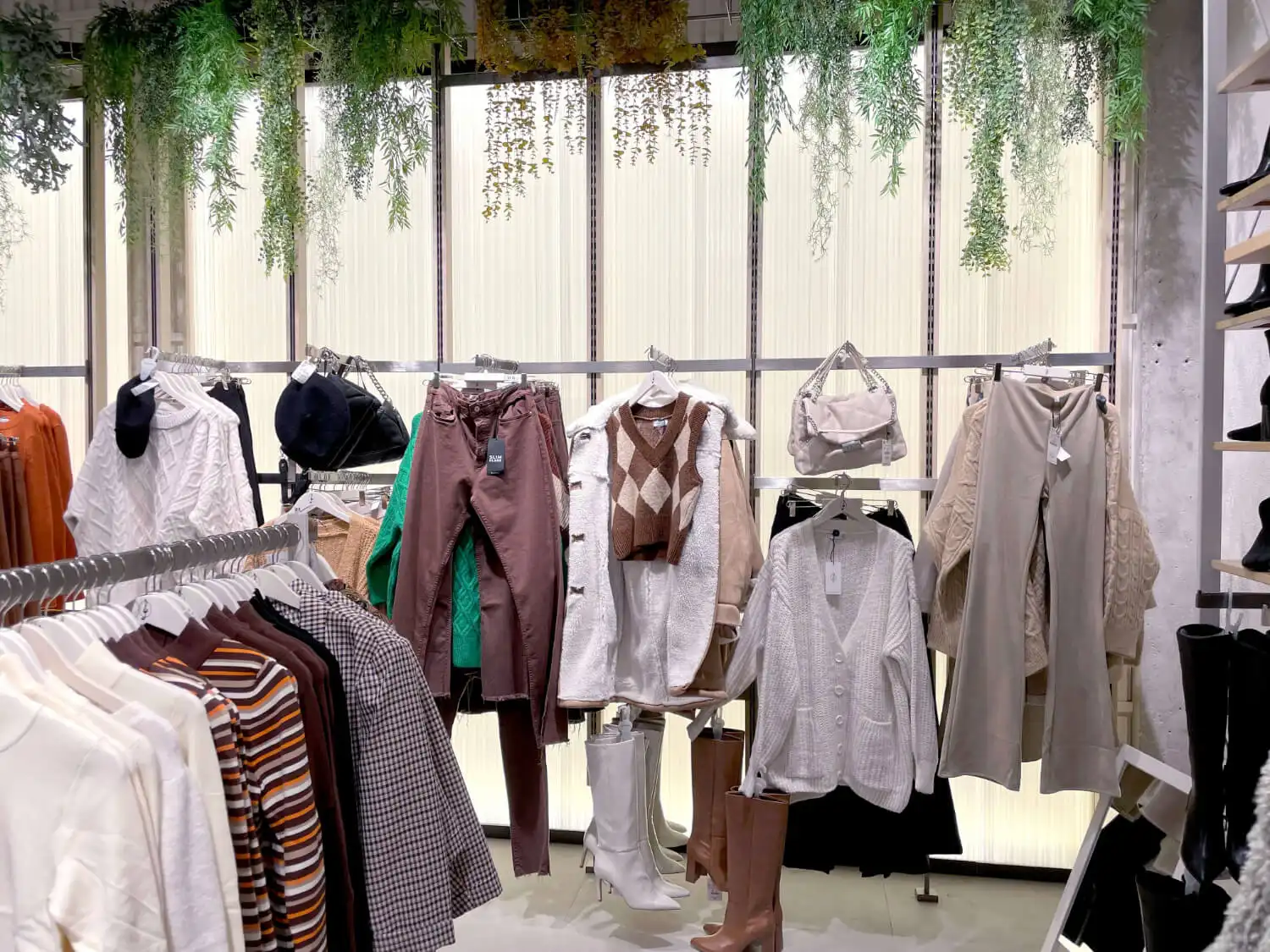
Commercial spaces
Lighting for retail spaces plays a crucial role in creating environments that attract and retain customers, enhancing the shopping experience and highlighting products.
An effective lighting strategy not only highlights merchandise but can also influence shopping behavior, improving the visibility, safety and aesthetic appeal of the space.
This contributes to the color fidelity of the products purchased as well as the tone of colored hair or makeup, compared to how it would look in sunlight.

Cosmetics
In the cosmetic context, particularly in makeup testing, LED technology with solar spectrum positively influences color fidelity, significantly impacting the perception and choice of products.
The lighting under which cosmetics are tested and viewed can dramatically alter how colors appear on the skin, influencing both customer satisfaction and shade selection accuracy.
LED technology, thanks to its ability to deliver a high Color Rendering Index (CRI), ensures that colors are displayed more accurately and naturally.
A high CRI, close to 100%, means that colors under LED light are perceived very similarly to how they would be under natural sunlight.
This is essential in cosmetics, where choosing the right color is fundamental to achieve the desired effect, whether in foundation, lipstick, eye shadow or any other makeup product.

Museology
LED technology has transformed museology by improving the illumination of works of art, benefiting both preservation and presentation.
With their high energy efficiency, minimal thermal impact, and absence of UV and IR radiation, LED lights protect sensitive parts from light and heat damage.
In addition, they offer truer color rendering thanks to their high CRI, allowing for a more faithful appreciation of the artwork. The ability to adjust intensity and color temperature makes the lighting customizable, enhancing the visitor experience and highlighting specific details of each piece.
This approach not only improves the visualization and conservation of exhibits, but also promotes sustainability and reduces operating costs in museums, marking a significant advance in the way museum collections are displayed and cared for.
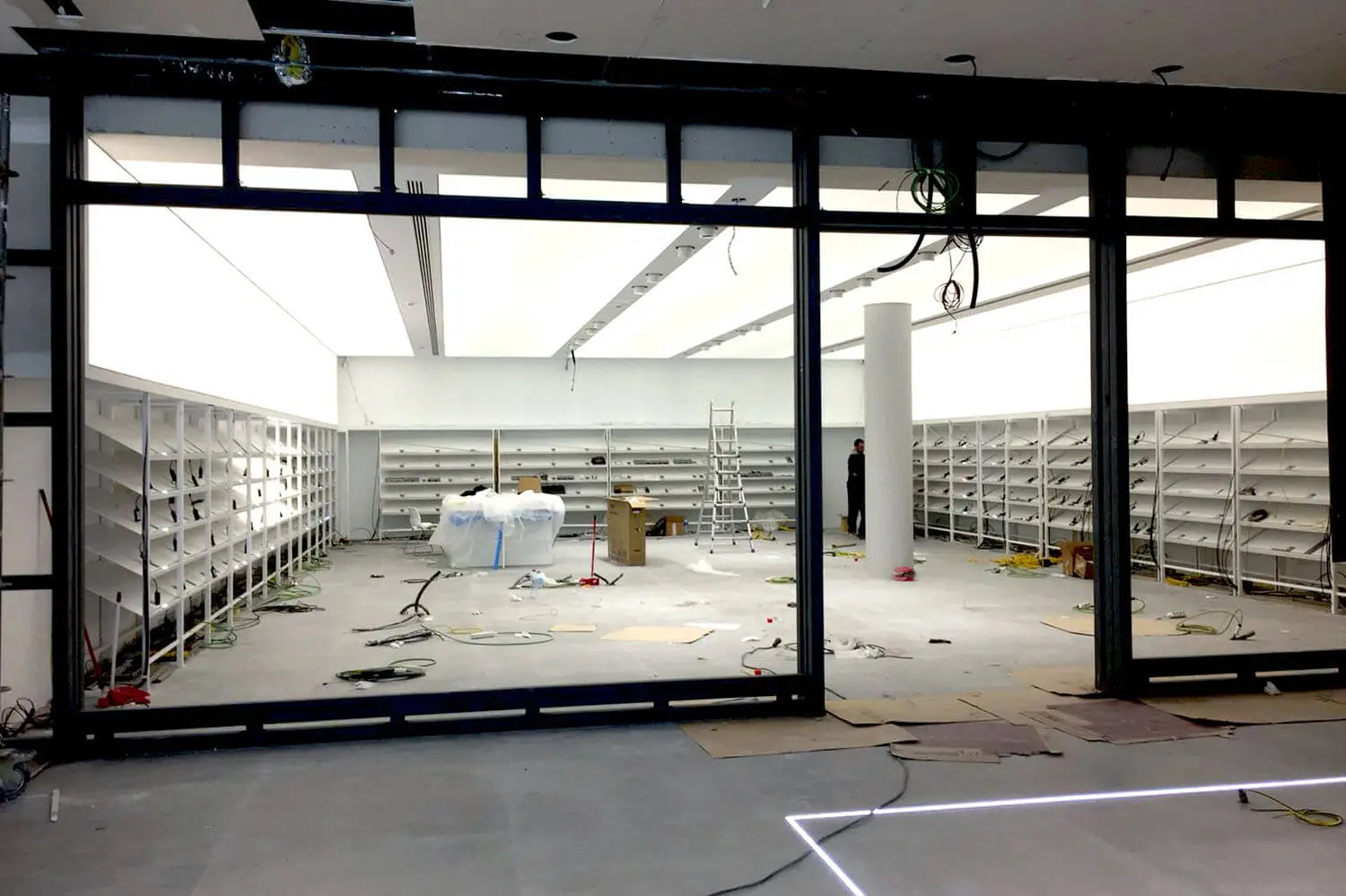
Architectural lighting
SOLAR 5K technology is key in the faithful reproduction of colors. Its ability to mimic natural sunlight transforms architectural spaces, improving the aesthetics and perception of all elements by highlighting their qualities as if the sun were coming through the window.

Artificial Vision
A machine vision camera finds a broad light spectrum attractive. This accelerates image capture and image detail due to the benefits of violet light source technology.
SOLAR 5K enhances the ability of these systems to perform accurate surveys and analysis, essential in fields ranging from safety to quality control in manufacturing.

Industrial use
The quality of light directly impacts the efficiency and results of industrial processes, especially those sensitive to lighting conditions.
Our philosophy
Innovation and environmental health
At Actilum, we are committed to creating optimal work environments that promote both productivity and well-being through our innovative lighting technology that replicates natural sunlight.
Our dedication to innovation and environmental health is reflected in every solution we design, seeking not only to improve the aesthetics of spaces but also their functionality and the comfort of those who inhabit them.
We invite you to explore our innovative lighting solutions by visiting Actilum’s website.
Discover how our products and designs adapt to a wide range of needs and spaces for your lighting project, offering advanced technology and sustainable design for every application.
General & Plants
Balance between aesthetics and life
Actilum Spectrum General and Plants has been designed to offer a balanced light, capable of enhancing materials, colors and spaces, while favoring the well-being and development of living plants in indoor environments.
Its spectral curve continuously covers the visible range between 380 and 730 nanometers, similar to natural sunlight, and has a color temperature of 5000 K, equivalent to pure daylight, ideal for environments where naturalness and visual comfort are required.
This balance ensures accurate color rendering (CRI 90) with an R9 of 50%, typical of high quality light sources, and a uniform energy distribution that provides the right amount of photosynthetically active light (PAR), sufficient to maintain healthy ornamental plants without altering the visual perception of the environment.

Architectural light with biological purpose
Unlike LED systems for intensive cultivation, Actilum Spectrum General & Plants offers a neutral and pleasing to the eye mix, designed for living spaces.
The spectrum maintains the naturalness of color in materials such as wood, stone or metal, avoiding the cold or artificial tones characteristic of other sources.
The result is lighting that harmonizes the aesthetics of design with the vitality of nature, creating balanced, comfortable and visually coherent environments.
Ideal applications
Thanks to its uniform, high-quality spectrum, Actilum Spectrum General & Plants allows for natural, functional and biologically active lighting.

Bioclimatic architecture and green offices
Efficient lighting that integrates natural vegetation without compromising visual comfort.

Hotels, restaurants and interior design with live plants
Balance between chromatic fidelity and plant maintenance.

Museography, showcases and common areas
Highlighting of materials and vegetation with the same continuous and homogeneous light source.
Light as part of the environment
Actilum light not only illuminates: it dialogues with matter and life.
A spectrum designed to see better, feel better and keep nature alive in the spaces we inhabit .
Discover how the General & Plants spectrum can transform the light of your projects.
Meat
LED light for flesh, red pigment enhancement.
Key to a fresh and attractive look
In the competitive meat market, visual presentation plays an extremely important role in consumers’ purchasing decisions. The perception of freshness and quality of red meat, in particular, is intrinsically linked to its correct lighting and color.
For this reason, the meat industry is constantly looking for innovations to highlight the red pigments of these products, thus ensuring a fresher and more attractive appearance at the point of sale.
In this context, lighting emerges as a powerful tool, capable of visually enhancing the qualities through the meat showcase light.
Through specific LED technology, known as Meat – 5K and Red Meat – 5K, a meat presentation is achieved that enhances its natural appeal, encouraging consumer preference and purchase.
The Role of Butcher Shop Lighting and Perception in Meat Appearance.
Lighting not only fulfills the basic function of allowing us to see the product, but also influences how we perceive its quality and freshness.
Several studies have shown that consumers tend to associate the bright red color of meat with freshness and superior quality. This phenomenon is due to the fact that the red color of meat is mainly due to the presence of myoglobin, a protein that can present different shades depending on the condition of the product.
Meat – 5K and Red Meat – 5K lighting technology is specifically designed to highlight these red tones, making the food look more appetizing.
Meat spectrum 5K

5K RED meat spectrum

Cutting-edge technology that brings meat products to life
The technology behind Meat – 5K and Red Meat – 5K is the result of detailed research into how light affects color perception in food.
To highlight the visual aspects of the meat, we enhance the intensity of the red color, giving it a high intensity, through the R9 red color, with a high chromatic yield index of over 60%.
The importance of this improvement lies in the fact that high red yields can decrease the luminous efficiency of LEDs, underscoring the manufacturer’s conscious decision to find an optimal balance between energy efficiency and lighting quality, thus ensuring that meat is presented in a more attractive and natural way.
Our lighting systems employ a carefully selected light spectrum that accentuates the red and pink tones of the meat, maintaining its authentic appearance. When illuminating the meat, this technology greatly enhances the saturation of the red color, projecting an image of greater freshness and quality.
In addition, this method not only intensifies the red color, making it more striking, but also improves the appearance of white fat, presenting it in a purer form and without yellowish tints.
“The result is a significant improvement in red versus standard products, ensuring color rendering that is truly true and natural.”
Benefits at the point of sale
The implementation of these lighting solutions in supermarkets, butcher shops and other points of sale offers multiple benefits. First, it improves product presentation, which can translate into increased sales. A product that looks fresher and of better quality is more likely to be chosen by consumers.
In addition, this technology can help reduce the negative perception of meat that has lost some of its natural color due to exposure to oxygen, without resorting to questionable practices or additives to improve its appearance.
Sustainability and energy efficiency
Another highlight of the Carne – 5K and Carne Roja – 5K LED lighting technology is its energy efficiency. Unlike traditional lighting solutions, LED lighting consumes less energy and has a longer lifespan, contributing to environmental sustainability and reduced operating costs for retailers.
In a market increasingly aware of the importance of fresh product presentation, investing in appropriate lighting projects to highlight the natural quality of meat products has become an essential strategy for retailers.
Our approach
At Actilum, we specialize in designing and delivering innovative lighting solutions that not only enhance the visual appearance of products, but also contribute to greater energy efficiency and environmental sustainability.
With a focus on enhancing the red pigments in meat, our light-applied technologies for Meat – 5K and Red Meat – 5K are specifically developed to improve the presentation of such products at points of sale, ensuring that they not only look fresher and more appealing, but are also presented in a way that respects and promotes responsible environmental practices.
At Actilum, we strongly believe in the power of light to transform product perception, enhance the customer’s shopping experience and, at the same time, promote a greener future.
Fish & Sushi
Clear White Color by Actilum
The perfect lighting for fish and sushi displays
In the competitive world of fresh food retailing, visual presentation is a key factor in capturing customers’ attention and conveying product quality.
Actilum’s products feature Clear White Color technology, specifically designed to improve the visibility and visual appeal of fresh produce such as fish and sushi in commercial display coolers.

State-of-the-art technology for superior illumination
The Clear White Color lighting system uses advanced reformed phosphor technology to produce a clear, bright white light with high levels of red. This light prevents food colors from appearing yellowish, bluish or dull, bringing out the freshness and natural color of fish and sushi.
Correct lighting is essential to highlight the quality and freshness of these products, positively influencing the customers’ purchasing decision.
Optimization of visibility in fishmongery areas
Clear White Color technology ensures that products look as fresh as they do by providing an unbeatable visual presentation. This improved visual perception not only attracts more customers, but also increases confidence in the quality of the products on display.
Main peak in the blue region (450 nm)
Highlight freshness
The blue light peak is perceived by customers as an indication of freshness, especially in products such as fish and seafood.
Improve visual appearance
Blue light makes fish look brighter and cleaner, thus capturing customers’ attention and improving their visual perception, which positively influences the brain and purchase decision making.
Emission in the green region (550 nm)
Balancing light
Green light balances blue and red light, creating well-balanced white light that does not distort the natural colors of fish.Enhancing natural colors
The combination of blue and green ensures that product colors are vivid and natural, making fish look more appetizing.
Peaks in the Red Region (600-650 nm)
Bringing warmth to lighting
Although the Clear White Color system is characterized by its clear white light and high CRI, the red peaks add a subtle warmth that prevents products from looking too cold or unnatural.
Improve the perception of freshness and health
Red light helps to bring out the pink and reddish tones in fish such as salmon, which can increase the perception of freshness and quality.
Low emission in the ultraviolet region (<400 nm)
Product protection
The absence of ultraviolet light prevents the deterioration of fish and seafood, preserving their freshness for longer.
Customer safety
UV light can be harmful to skin and eyes; low emission in this region ensures a safe environment for both products and customers.
Enhances the perception of freshness and quality
The right lighting not only beautifies products, but also reinforces the perception of freshness and quality. Customers are looking for products that look fresh and appealing, and with Clear White Color, display cases can deliver just that. The clear, precise white light makes fish and sushi look more appetizing, elevating the shopping experience to a new level.
Trust Actilum for the illumination of your fresh produce
At Actilum, we understand the importance of first impressions. Our Clear White Color lighting system is designed to make your fresh produce stand out for its clarity and visual appeal, providing an efficient and high quality lighting solution.
Trust us to illuminate your showcases and attract more customers with an impeccable presentation.
Fruit
Why should you light your fruit store correctly?
Key factors and LED solutions
Lighting your fruit store correctly is not simply a matter of aesthetics, design and quantity of light; it is an essential strategy to highlight colors, quality and perceived freshness of your products, which directly influences the purchase decision of customers.
Selecting the right artificial lighting, especially one that uses LED technology, can make a significant difference in how your fruits and vegetables are presented.
Below, we explore the factors to consider and the advantages of opting for this type of LED lighting in your retail.

Factors to take into account in the lighting of a greengrocer’s shop
Natural Lighting
Making the most of natural light not only helps reduce energy consumption during the day, but also promotes a perception of naturalness in fresh produce.
However, it is important to supplement with artificial lighting to ensure uniform and constant exposure, regardless of external conditions.
LED lighting for greengrocers
LED light technology is noted for its ability to emit light in specific spectrums, which can be adjusted to enhance the natural colors of fruits and vegetables, making them look more vibrant and appetizing.
Uniformity and light distribution
Uniform lighting avoids the creation of shadows or oversaturated areas that can distort the actual appearance of the products. It is crucial to design a lighting scheme that distributes light evenly over all merchandise.
Light intensity and color
LED light intensity should be appropriate to avoid glare or discoloration of these types of produce. The color or color temperature of LED lighting should be carefully selected to complement the colors of fruits and vegetables, generally opting for color temperatures that enhance red, green and yellow tones.
Advantages of LED lighting for greengrocers
Vibrant color enhancement
Specialty LED luminaires are designed to emit light spectrums that enhance the natural colors of produce, which is essential for capturing customer attention and improving the perception of freshness.
Energy efficiency
One of the main advantages of LED luminaires is their high energy efficiency compared to traditional lighting options. This translates into significant savings in energy consumption and thus operating costs.
Lower heat emission
The lower heat emission of LED luminaires represents one of the most significant advantages for the fruit and vegetable sector, mainly due to its direct influence on the preservation of the quality and freshness of these delicate products.
Unlike traditional light sources, such as incandescent or halogen lamps and even low-quality LED lights, which convert much of the energy into heat, Actilum’s LED technology is designed to be highly energy efficient, converting most of it into light.
This inherent design of LED technologies minimizes heat generation, which is essential for environments where temperature and humidity must be carefully controlled to avoid premature deterioration of products.
In the context of a fruit store, where the freshness and visual appearance of the products are essential to attract consumers, the implementation of high quality LED luminaires can contribute substantially to maintaining optimal storage conditions.
In addition, the advanced design of the LED luminaires allows for a more precise and targeted light distribution, which further reduces the risk of heat exposure in specific areas, ensuring uniform illumination without hot spots that may adversely affect certain parts of the exposed merchandise.
Durability and low maintenance
LED luminaires have a longer life and require less maintenance than traditional lighting solutions, reducing the costs and hassles associated with replacing and maintaining lighting systems.
Our commitment
At Actilum, we are committed to providing innovative and sustainable lighting solutions that not only enhance the natural beauty of your products, but also contribute to the energy efficiency and success of your business.
Apparel & Product
Enhance materials, colors, textures...
Color fidelity and shape definition are fundamental aspects of product lighting, directly impacting how consumers perceive and value these items.
This article explores the importance of high color rendering spectra and visual comfort, specifically in 3K, 4K and 5K lighting configurations, for the optimal presentation of clothing and products.
We focus on how the color fidelity index influences product lighting schemes, ensuring that every detail is perceived at its best.


Clothing – 3K
The 3K illumination, with a color temperature of 3000 Kelvin, provides a warm light that enhances yellow and red tones. This setting is ideal for clothing with warm colors, enhancing the richness and depth of these tones without altering the perception of their true color, thanks to a high color fidelity index.
Color reproduction in this range helps to highlight subtle details in the fabrics, essential to show the texture and quality of the material.
Although beneficial for cozy environments, it is crucial to balance this lighting with adequate light intensity to avoid shadows that may distort the shape of the product.
Clothing – 4K
A color temperature of 4000 Kelvin, or neutral light, is versatile for apparel lighting. This balanced spectrum is effective in bringing out the true coloration of a wide range of tones without imparting a yellow or blue cast, while maintaining a high rate of color fidelity.
4K lighting is particularly well suited for retail environments where color accuracy and clarity are critical.
By providing light that resembles daylight, the details of the garment, from texture to stitching and patterns, are clearly defined, making it easier to appreciate the quality and design of the product.
Product – 5K
The 5K illumination, with a color temperature of 5000 Kelvin, offers a cooler spectrum, ideal for products that require accurate color rendering under light that simulates midday.
This configuration is excellent for products with subtle color variations or that rely on color accuracy for valuation, such as jewelry or electronics.
The 5K light helps minimize chromatic distortions and improves the perception of details, crucial for the evaluation of product quality and finish.
Visual comfort
In addition to color fidelity, visual comfort is an important aspect to consider in product lighting.
Proper lighting should not only faithfully reproduce colors and define shapes but also avoid discomfort and ensure a pleasant viewing experience for the viewer.
Light intensity, distribution and glare minimization are key aspects to avoid visual fatigue.
In the 5K configuration, it is essential to balance high color rendering with an illumination design that evenly disperses light, reducing excessive contrast and glare for prolonged viewing without.
Our commitment
At Actilum, we are committed to designing lighting solutions that not only meet the highest standards of color fidelity and shape definition, but also ensure an optimal visual experience for every product and garment our clients wish to highlight.
To discover more about how our innovative lighting solutions can transform the presentation of your products and apparel, we invite you to visit our Actilum website. Explore our range of products and find the perfect solution to suit your specific needs.
Electronics
LED light for illumination of electronic products
Lighting scheme for metal and plastic products
LED technology has transformed the way electronic products are presented, especially those made of metallic materials and plastics.
The application of LED lights with a spectrum tuned to emphasize specific wavelengths, particularly in the deep blue range, can significantly accentuate the metallic appearance and surface gloss of products.
This improved display not only enhances the aesthetic appearance of electronic devices in the illuminated area, but also contributes to an elevated perception of their quality and value by consumers.

Optimized spectrum to highlight features
The use of a light spectrum with a deep blue peak has proven particularly effective in highlighting the characteristics of electronic products. This spectral optimization allows for improved definition of materials, providing a clearer and more detailed view of the texture and finish of products.
In the case of metallic materials, their natural luster is accentuated and their sense of solidity and strength is enhanced.
For plastics, the right LED light can enhance their appearance, giving them a more premium and durable look.
Advantages of LED lighting
LED lighting offers multiple advantages in the presentation of electronic products.
First, its energy efficiency is higher than that of traditional light sources, which translates into lower energy consumption for the same amount of light emitted.
In addition, the durability of LED lights reduces the need for frequent maintenance and replacement, which can contribute to a reduction in long-term operating costs.
Another significant advantage is the ability to precisely control the spectrum of light emitted, allowing the lighting to be optimally adjusted to highlight the specific characteristics of each product.
Practical applications in industry
In the electronics industry, the implementation of specifically designed LED lighting can have important practical applications.
For example, in the cell phone industry, using LED lights to highlight the quality of materials can make a device stand out in a highly competitive market.
In point-of-sale product displays, the right lighting can have a decisive influence on consumers’ purchasing decisions, highlighting the most attractive features of products and enhancing their overall appeal.
What are the types of lighting?
Product lighting technique is essential in marketing and item presentation, especially in e-commerce and advertising. This technique is mainly divided into four categories, each aimed at enhancing product features and capturing the consumer’s attention by avoiding the use of harsh or simply soft light and dark backgrounds.
Front light
This type of light provides uniform illumination over the front face of the product, minimizing shadows and highlighting front details. It is ideal for showing the front design of products such as cell phones and tablets, but can result in flat images without much depth.
Side light and semi-side light
Used to highlight the texture, edges and depth of the product. By placing the light source to one side, soft shadows are created on the opposite side, adding contrast and depth to the image. It is particularly useful for products with surface details or textured finishes, such as textiles or watches.
Backlight
By placing the light source behind the product, a luminous outline or halo effect is achieved, which can be very effective in creating ambiance or highlighting transparent or translucent product lines, such as glass bottles or lighting elements.
Diffused light
Achieved by softening the light, usually with diffusers or through light bounce techniques, to envelop the product in soft, uniform illumination.
This method reduces harsh shadows and reflections, ideal for products with reflective surfaces such as jewelry or electronics. Diffused lighting is excellent for showing the product clearly and in detail, making it easier to appreciate colors and finishes.
Each technique has its specific application depending on the type of product, its material characteristics and the message to be conveyed. The right choice of lighting technique is essential to highlight the qualities of the product and make it attractive to potential buyers.
How to illuminate a product photo?
Lighting for product photography
Lighting a product photo with LED light requires a detailed understanding of both the properties of light and the type of photography and characteristics of the product to be photographed.
LED lighting offers significant advantages due to its energy efficiency, durability and flexibility in terms of color temperature control and light direction.
The following are essential steps to achieve effective lighting for product photography using LED lights:
Selection of suitable LED lights
Choose LED lights that allow adjustment of intensity and color temperature. This is essential to tailor the lighting to the specific needs of the product, as different products benefit from different color temperatures (measured in Kelvin). Metallic products, for example, may require a cooler light to highlight their shine and texture.
Workspace setup
Use a neutral background, preferably white or gray, to avoid unwanted colors reflected on the product. A controlled environment allows for better light manipulation and avoids interference from external light sources.
Positioning of lights
Lighting should be set to minimize harsh shadows and unwanted reflections, especially on products with reflective surfaces.
A common setup includes a main light (key light) that provides the main illumination and one or more fill lights to soften shadows. The main light should be positioned at an angle that enhances product features without creating distracting reflections.
Use of diffusers and reflectors
Diffusers can soften the direct light from the LEDs, reducing harsh shadows and harsh reflections. Reflectors, on the other hand, can be used to bounce light into shaded areas of the product, balancing the illumination and highlighting details.
Experimenting with light direction
Experimenting with different angles and directions of light can reveal unique product textures and details. Side lighting, for example, can enhance texture, while lighting from above can emphasize shape.
Adjusting light intensity and white balance
Adjusts the intensity of the LED lights to obtain the desired effect, taking care not to overexpose the product. In addition, adjusting the white balance on the camera according to the color temperature of the LED lights ensures that the colors of the product are accurately reproduced.
Review and adjust
Take several test photos and review each one carefully. Adjust the settings of the LED lights, camera and product position as necessary to achieve the desired result.
Lighting a product photo with LED lights may seem challenging at first, but with practice and experimentation, professional results can be achieved that bring out the best side of any product.
Our vision and commitment
At Actilum, we specialize in the design and development of innovative lighting solutions that not only enhance product presentation through advanced lighting techniques, but also focus on sustainability and energy efficiency.
Our commitment to quality and innovation allows us to offer customized lighting solutions that highlight the unique characteristics of each product, enhancing its visual appeal and functionality.
By integrating state-of-the-art LED technology, we optimize the light spectrum to highlight metallic materials and plastics, thus providing superior definition and a brilliant effect that captures consumers’ attention.
Actilum not only illuminates products; we create visual experiences that enrich the end user’s perception, fostering a deeper connection between the product and its audience.
Textures
The science of light that enhances materials
In professional lighting, it is not enough to emit white light: the way in which energy is distributed within the visible spectrum is what determines the fidelity with which we perceive colors, reliefs and textures.
Texture illumination is characterized by a broad, continuous LED spectrum covering the visible range from 390 to 780 nanometers (nm). Its energy distribution reproduces in a balanced way the main areas of the spectrum, from violet through blue, sky blue to far red, which allows to accurately enhance the color, volume and texture of materials and surfaces with a fidelity comparable to natural sunlight, saturating the perception of relief in materials.


Architecture and interior design
Enhancement of textures in stone, wood, metal or fabrics with continuous and neutral lighting.

Retail and museography
Exhibition of products and works with real appearance, without chromatic distortions.
Industry and quality control
Accurate visual inspection to accurately differentiate shades, finishes and materials.
A specter that reveals the invisible
The Actilum spectrum shows two regions of uniform energy distribution: one in the blue-cyan range (420-500 nm), which enhances visual definition and detail perception, and one in the yellow-orange range (550-620 nm), which stabilizes color rendition and maintains a continuous transition between warm and cool tones.
This balance ensures that cool and warm tones retain their natural intensity, avoiding spectral gaps that often make surfaces appear flat or desaturated.
The smooth extension into the deep red and infrared (700-780 nm) adds a sense of volume and depth, accentuating the visual texture of warm materials .
The result is a perception of light, natural and balanced, which enhances the material in all its visual richness .
Technology inspired by sunlight
Its performance is similar to that of daylight, offering high-fidelity color rendering (CRI close to 100) and a comfortable viewing experience.
This spectral softness helps to avoid visual fatigue and provides illumination that not only illuminates, but also interprets the subject matter: it reveals the micro-reliefs, brightness and density of each surface.
Light interpreting matter
With Actilum Spectrum, lighting becomes a precision optical instrument, capable of reproducing the texture, color and volume of each material with the same balance as natural light.
A light that not only projects clarity, but also builds perception, transforming the way we see and experience spaces.
Display
High visual impact signage lighting
LED color temperature adjustment for brightness and durability in signage
Effective signaling depends not only on visibility but also on the quality of the artificial light used.
LED lights, with their wide range of color temperatures, are ideal for this purpose, as they can be adjusted to emulate the brightness of natural light or to highlight certain colors in the visual spectrum.
Color temperature in lighting design is critical as it affects how colors and signals are perceived.
An LED light with an appropriate color temperature can improve the legibility of signage, especially compared to other types of lighting that can distort colors or be too abrasive.
In addition, LED lamps offer an exceptionally long service life, reducing the need for frequent maintenance and ensuring that signage remains consistently and efficiently illuminated.
When choosing the type of lighting for signage, it is important to consider how the color of the light will influence the user’s interaction with the sign, as the goal is to guide and communicate effectively, thus bringing the efficacy of artificial light closer to the comfort and familiarity provided by natural light.

LED technology for signaling
Accuracy and efficiency
LED technology for signage is a key component in the lighting industry, offering high visual impact solutions with low color rendering.
This technology is not only energy efficient, but also provides optimal visibility to highlight important information in various applications.
LED lighting customization
Adaptability and control
Customization of LED lighting has become essential in creating effective illuminated signage.
Programmable lighting systems allow users to adapt intensity and color for innovative and dynamic visual communication, enhancing the end-user experience and safety.
Lighting to highlight information
Clarity and focus
By using specific lighting to highlight information, companies can effectively direct attention to key cues, directions and pricing.
Selecting the right signage lighting is critical to the lighting marketing strategy, ensuring that the message is not only seen but also remembered.
High visibility LED signs
Safety and guidance
High visibility LED signs are essential in applications where safety is paramount.
Emergency lighting, for example, benefits greatly from light sources that can be easily detected and tracked, which is vital in critical situations.
Energy efficiency in LED lighting
Sustainability and energy savings
Energy efficiency in LED lighting not only has a positive impact on the environment, but also reduces operating costs. This is an important point for both sustainability and economically conscious customers when implementing programmable lighting solutions.
Innovation in visual communication through lighting
Innovation in visual communication is at the heart of high visual impact signage. With the integration of advanced LED technology and intelligent customization practices, modern lighting solutions offer limitless possibilities for effective signage, ensuring that every message is not only seen, but understood and acted upon accordingly.
Our Mission
At Actilum, we understand the importance of effective signage and are dedicated to providing lighting solutions that combine the most advanced LED technology with intelligent lighting design, ensuring optimal and sustainable visual communication.
To explore the full spectrum of our innovative lighting solutions and discover how they can enhance and preserve the clarity of your signage projects, we invite you to visit the Actilum website.
There you will find detailed information about our products, case studies and expert advice to guide you in choosing the most suitable lighting for your specific needs.
HCL
HCL Human Centric Lighting
Human-centered lighting innovation
Human-centered lighting (HCL) emerges as a technological revolution designed to harmonize physical and mental well-being with occupational and energy efficiency in different spaces.
This advanced lighting approach not only helps improve sleep quality through precise color temperature (CCT) and light spectrum management, but also promotes productivity and visual comfort through the use of automated lighting systems.
Mental health and productivity
Human-Centered Lighting (HCL) synchronizes your systems with the circadian rhythm, employing specific proportions of light that support an ideal work environment and promote balanced mental health. By mimicking the transition of natural light from dawn to dusk, HCL creates an adaptive lighting environment that meets personal preferences, enhancing concentration and emotional well-being.
Circadian rhythm
The circadian rhythm is an internal 24-hour biological cycle that regulates a wide range of physiological processes in living organisms, including sleep, wakefulness, hormone production, body temperature and metabolism.
This rhythm is essential for maintaining health and well-being, as it ensures that bodily processes are synchronized with the natural light and dark cycles of the environment.
Exposure to light plays an important role in regulating the circadian rhythm, directly influencing the production of melatonin, the hormone that promotes sleep, and thus affecting our ability to sleep well at night and remain alert during the day.
Energy efficiency and sustainability
An essential pillar of HCL is its contribution to energy efficiency, achieved through the implementation of technologies that enable intelligent lighting control. This not only reduces energy consumption, but also promotes sustainable resource management.
State-of-the-art HCL lighting has found significant applications in the healthcare sector, where lighting precision has a significant impact on the well-being and recovery of patients.
HCL in smart urban planning
In the urban context, HCL plays a key role in improving safety and quality of life through smart lighting for cities. Equipped with sensor and automation technology, lighting systems adjust their operation to optimize lighting conditions according to environmental and human needs, making urban spaces more livable and energy efficient.
A brighter future
Human-centered lighting represents a holistic approach to optimizing living and working spaces. Emphasizing improved sleep quality, increased productivity, mental well-being, visual comfort and energy efficiency, HCL establishes itself as a leader in lighting solutions of the future, setting the pace for a healthier and more sustainable society.
Our vision
At Actilum, we are committed to the development and implementation of lighting solutions that not only illuminate spaces, but also improve the lives of the people who inhabit them.
Our dedication to innovation in human-centered lighting (HCL) reflects our desire to create environments that promote well-being, productivity and visual comfort while preserving energy efficiency.
We recognize the importance of tailoring our technology to individual needs, ensuring that each project contributes to a more sustainable and healthy future.
At Actilum, we light the way to a better quality of life through light.
HCLa & Plant
Human activation and plant growth
The Spectrum HCL & Plant from Actilum Spectrum is designed for shared spaces between people and living plantswhere lighting must simultaneously respond to human biological human biological needs and to the lighting requirements of the vegetation..
Its continuous spectral composition, comprised between 380 and 380 and 780 nanometersprovides a balanced and balanced and natural lightoptimized for daily tasks and activities in environments such as offices, gymnasiums or offices, gymnasiums or educational centerswithout neglecting the vitality of the plants present in the environment.


Offices and workspaces with integrated vegetation
It promotes productivity and visual comfort while maintaining plant growth.

Educational centers and gymnasiums
Improves daytime activation and performance, accompanying the natural biological rhythm.

Commercial and wellness spaces
It creates a lively, neutral and healthy lighting that enhances the perception of freshness and naturalness.
Light that activates, balances and sustains life
Based on the principles of human-centered lighting (HCL), this spectrum integrates specific wavelengths that contribute to alertness, concentration and visual well-being, emulating the luminous quality of daylight.
In turn, it contains a deep red peak at around 660 nm, which provides a direct signal to stimulate growth and photosynthesis in ornamental or functional plant species, and above all does not modify the chromatic perception of the environment.
With a color perception of 4500K and a real temperature of 5000 K, CRI 90 and an R9 50 %, the HCL & Planta spectrum offers a high visual quality light, capable of faithfully reproducing the colors and textures of the materials, maintaining a comfortable environment for both people and plants.
Thanks to its dual spectral design, Actilum Spectrum HCL & Planta provides light that activates humans and stimulates plant life, achieving a harmonious balance between functionality, aesthetics and biology.
Circadian
The light that follows the natural rhythm of life
Actilum Spectrum ‘s Circadian spectrum is designed to synchronize artificial lighting with human biological rhythms, reproducing the natural evolution of sunlight throughout the day.
Through dynamic regulation of light power and spectral composition, this system adapts light and energy to the time of day and activity, promoting well-being, concentration and rest according to each phase of the human circadian cycle.
A spectrum that adapts to the body and the environment
The Circadian spectrum spans the visible range from 400 to 800 nanometers and adjusts the energy ratio throughout the day.
During the morning, the blue-turquoise zone (≈480 nm) predominates , which stimulates attention and suppresses melatonin secretion, helping the body to activate and concentrate.
As the day progresses, the system gradually shifts the energy towards amber and red (590-700 nm), decreasing blues and turquoise, generating a warmer light that invites relaxation and prepares the body for rest.
This continuous transition, as perceived by the human eye with a color temperature varying between 2700 K and 7000 K, mimics the natural behavior of daylight, avoiding sharp contrasts and ensuring a smooth and biologically coherent visual experience.
Unlike Tunable White systems, which only modify the color temperature between warm and cool light, Actilum Spectrum’s circadian technology acts on the entire spectral composition and its temporal programming.
Technology inspired by nature
Actilum’s circadian system employs intelligent dimming and automated time control to adjust the correct intensity and spectrum according to the time of day or use of the space.
The result is dynamic and healthy lighting, capable of positively influencing people’s mood, productivity and rest.
This same principle is successfully applied in hospitals, offices, educational facilities and smart homes, where adaptive light helps to improve visual comfort, reduce fatigue and enhance overall well-being.
Light as applied biology
Instead of a static source, Actilum Spectrum Circadiano acts as a living system: it evolves during the day to accompany our natural cycles.
A light that not only illuminates, but also connects with human physiology, regulating energy and calm, clarity and rest.
Fruits
LED spectrum for flowering and fruiting
In flower and fruit oriented crops (ornamentals, berries, tomato/peppers, technical plants), the challenge is not only to “grow”: it is to activate flowering, improve fruit set and achieve uniform ripening without losing morphological control.
“In flowering and fruiting, the spectrum is not a detail: it defines whether the plant flowers on time, sets well and ripens homogeneously, or whether it decompensates and loses quality.”
This is where Actilum Spectrum Bio+Frut (Fruits) comes in : a spectrum formulated for reproductive phases, combining dominant red and controlled far-red with a high blue peak to maintain structure. The graph shows a sharp blue peak (~450 nm), a moderate cyan-green band (≈490-540 nm), a strategic valley (≈560-600 nm), a red-dominant plateau (≈630-680 nm) and a far-red tail (≈700-750 nm).

What Bio+Frut achieves
- Faster and more uniform flowering (more synchronized opening).
- Better fruit set and less variability between plants/zone.
- More homogeneous ripening and more predictable cycles.
- Better coloration and presence in flower/fruit, with more controlled structure.
- Best basis for automating by intensity/programming and sustaining a constant standard.
Bio+Frut spectrum reading (by regions)
- Blue peak (≈ 440-460 nm, very high): morphological control (less unwanted elongation) and quality/structure support in reproductive phase.
- Cyan-green band (≈ 490-540 nm, moderate): aids canopy penetration and more uniform distribution in dense crops.
- Valley (≈ 560-600 nm): technical decision to concentrate energy in more effective bands to induce and sustain flower/fruit.
- Red dominant (≈ 630-680 nm): core of the reproductive recipe: pushes yield and reinforces signals associated with flowering and development.
- Far-red (≈ 700-750 nm, controlled): fine-tuning of the bearing and phytochromatic signal to support flowering/ripening without turning the crop into “shade response”.
Flowers

Starts flowering around 21-28 days.

It can reach its first flowering between 21 and 28 days.

Flowers may appear in about 25-28 days under optimal conditions.

First flowers visible after 25-28 days.
Fruits

First bloom visible after about 28 days.

Flower formation under controlled conditions at about 28 days.

Consumption in about 21-28 days.

Consumption in about 30 days.
*In this range of 14 to 28 days, it is not common for fruiting crops to complete their cycle, as these generally require more time. However, some plants may show initial signs of flowering or small fruit formation in hydroponic systems under LED light.
Greenhouse Spectrum
Physiological stability and plant response to low irradiation
In covered agricultural systems, useful solar radiation is altered by multiple factors: cloud cover, season, greenhouse geometry or structural orientation. This causes a significant reduction in the quantity and quality of the spectral signal that plants use as a stimulus to activate vital processes such as photosynthesis, flowering or biomass production.
When this signal is not adequately compensated, crops may show irregular blooms, excessive elongation, lower yields or a drop in morphological uniformity.
The Greenhouse spectrum should not be understood as illumination, but as an active radiation system designed to supply or reinforce stimuli that the plant interprets and uses. This spectrum has been designed to act as a technical complement on cloudy days, low radiation seasons or high density cultivation systems.


660 nm (Deep Red)
Activates key photosynthetic and metabolic pathways in biomass accumulation and flowering.

730 nm (Far Red)
Modulates photomorphogenic responses (elongation, branching) and synchronizes the development cycle.

≈ 450 nm (Blue)
Regulates photoperiod, avoids unwanted elongation and stimulates shaded areas.

Stable green-yellow
Provides spectral continuity to maintain physiological balance.
The result is a continuous curve between 400 and 800 nm that does not illuminate, but rather selectively irradiates to sustain plant performance under less than ideal conditions.
The Greenhouse spectrum allows
- Constant and homogeneous production, even with low natural radiation.
- Stimulation of flowering and fruiting, maintaining synchrony between specimens.
- Increased biomass, without light stress.
- Activation of lower zones in dense crops (undercanopy effect).
- Maintenance of physiological balance, key in intensive professional agriculture.
Looking for a plant radiation system that will stabilize your crop all year round?
Consult with our technical team to implement the Greenhouse spectrum adapted to your project.
Green Leaf
Spectrum for vegetative crops (leaves and stems)
Due to their demand and rotation, green leaf crops (baby leaf, lettuce, spinach, arugula, aromatic) are increasingly produced in indoor/vertical farming, where light defines three things at the same time: density, structure (firm stem and full-bodied leaf) and lot uniformity.
“In green leaf, the spectrum is not a detail: it defines whether the plant comes out compact, dense and uniform, or whether it spikes and loses quality.”
This is where Actilum Spectrum BioVeg (Green Leaf) comes in: a spectrum formulated for vegetative stages and homogeneous tray-to-tray production, combining peaks and bands that push photosynthesis, structure and canopy penetration. The graph shows a sharp blue peak, a broad band 500-620 nm, a red block 620-680 nm and a soft far-red tail 700-750 nm.

What BioVeg achieves in green leaf
- More compaction and structure (less gleaning).
- Denser leaves with better “body” (thickness and presence).
- More uniform production by improving light reaching the inner layers of the crop.
- Faster growth while maintaining quality: the combination of homogeneity + spectrum can accelerate the cycle by up to 20%.
- Best basis for automating by intensity/programming and sustaining a constant standard.
BioVeg spectrum reading (by region)
- Blue peak (≈ 440-460 nm, very high): drives structure and compaction; firmer leaf and gleaning control.
- Green-cyan band (≈ 500-600 nm, sustained): improves canopy penetration and homogeneity in dense trays.
- Red block (≈ 620-680 nm, high and stable): enhances photosynthetic efficiency and vegetative growth.
- Far-red tail (≈ 700-750 nm, soft): fine tuning of bearing; controlled presence so as not to induce elongation.

Baby leaves available in about 21-28 days.

Leaves ready in about 18-21 days.

Edible leaves in about 18-25 days.

Leaves ready for harvest in about 20-25 days.

Spicy leaves ready in 21-25 days.

Edible leaves in about 28 days.

Optimum growth in 21-28 days.

Large leaves in about 14-20 days.

Large sprouts in 20-28 days.
Rooting
Advances in LED technology for root development
Innovation in horticultural LED lighting
In the search for more efficient and sustainable farming methods, LED technology has established itself as an essential tool in indoor cultivation.
Advanced LED lighting systems have set a milestone in improving germination and strengthening the root system of plants, thanks to the precision with which they provide optimized light spectra for these processes.
These devices emit precise light spectra that are vital for plant growth, while being exceptionally energy efficient, thus reducing consumption and operating costs.

Lighting customization for specific crops
Daylight simulation is one of the greatest achievements of LED luminaires, and their application in plant cultivation has transformed horticulture.
These luminaires, composed of light-emitting diodes, can be adjusted to emulate the quality and light output that a plant needs at each stage of growth, from vegetative to flowering.
This type of lighting is essential in types of crops that require adequate light to optimize yield, where the needs of the plants are so specific that any deviation can affect the quality of the final product.
In addition, the use of LED technology helps reduce energy consumption significantly, which not only lowers operating costs but also minimizes the environmental impact of farming practices.
With advances in LED luminaires, growers now have the ability to select and customize the light spectrum for the type of plants they are growing, catering precisely to the needs of the plants for each variety and stage of development.
At Actilum, we pride ourselves on being pioneers in the implementation of advanced lighting solutions that respect the delicate balance between technology and nature.
Our LED luminaires are designed to mimic natural light, offering growers a powerful tool to grow a wide range of plants with the precise lighting needs for each stage of their development.
Our Mission
We understand that every plant needs adequate light to flourish, and it is our mission at Actilum to provide that light, reducing consumption and encouraging vegetative growth in all types of crops.
From robust cereal cultivation to the precision required in cannabis cultivation, our lighting technology is an essential ally in the pursuit of excellence in modern horticulture.
With a focus on continuous innovation and an unwavering commitment to sustainability, we are dedicated to ensuring that each light-emitting diode not only improves energy efficiency, but also maximizes agricultural yields.
We recognize that every type of plant needs adequate light to thrive and it is our mission to provide it, reducing consumption and promoting healthy vegetative growth for all types of crops.
We invite you to visit our website to explore how our lighting technologies can illuminate the potential of your agricultural project and contribute to the success of your crop.
Lighting customization for specific crops
Daylight simulation is one of the greatest achievements of LED luminaires, and their application in plant cultivation has transformed horticulture.
These luminaires, composed of light-emitting diodes, can be adjusted to emulate the quality and light output that a plant needs at each stage of growth, from vegetative to flowering.
This type of lighting is essential in types of crops that require adequate light to optimize yield, where the needs of the plants are so specific that any deviation can affect the quality of the final product.
In addition, the use of LED technology helps reduce energy consumption significantly, which not only lowers operating costs but also minimizes the environmental impact of farming practices.
With advances in LED luminaires, growers now have the ability to select and customize the light spectrum for the type of plants they are growing, catering precisely to the needs of the plants for each variety and stage of development.
At Actilum, we pride ourselves on being pioneers in the implementation of advanced lighting solutions that respect the delicate balance between technology and nature.
Our LED luminaires are designed to mimic natural light, offering growers a powerful tool to grow a wide range of plants with the precise lighting needs for each stage of their development.
Our Mission
We understand that every plant needs adequate light to flourish, and it is our mission at Actilum to provide that light, reducing consumption and encouraging vegetative growth in all types of crops.
From robust cereal cultivation to the precision required in cannabis cultivation, our lighting technology is an essential ally in the pursuit of excellence in modern horticulture.
With a focus on continuous innovation and an unwavering commitment to sustainability, we are dedicated to ensuring that each light-emitting diode not only improves energy efficiency, but also maximizes agricultural yields.
We recognize that every type of plant needs adequate light to thrive and it is our mission to provide it, reducing consumption and promoting healthy vegetative growth for all types of crops.
We invite you to visit our website to explore how our lighting technologies can illuminate the potential of your agricultural project and contribute to the success of your crop.
Microgreen
Boost growth with Actilum LED luminaires
Due to their high nutritional value, the cultivation of microgreens has gained popularity in recent years. These microgreens are rich in vitamins, minerals and antioxidants, with a high content of vitamin C, vitamin E and beta-carotene. In addition to their common use in cooking, microgreens are also processed into powders, capsules, liquid extracts and fortified food products.
“These small sprouts, harvested in their early stages of development, require advanced light spectrum conditions to achieve the objectives for the above uses.”
This is where Actilum’s LED luminaires and Luxpanel panels, designed with specific spectra for horticultural applications, take center stage.

Our experience
“At Actilum, we have spent several years researching and developing lighting solutions for cultivation. This experience has allowed us to design led combinations for the production of LED strips, Luxpanel panels and complete bars that offer an optimized light spectrum for microgreens cultivation.”
The unique combination of lights not only favors the growth of green leaves, edible flowers but is also ideal for a wide variety of ornamental plants.
Optimized light spectrum and its benefits for microgreens
The light spectrum provided by our LED luminaires is carefully calibrated to meet the specific needs of plants in their early stages.
This application promotes efficient photosynthesis, ensuring that micro sprouts receive the exact amount of light they need to develop vibrant colors, intense flavors and high nutrients.
In addition, our lighting solutions guarantee homogeneity in production, which is extremely important to maintain a continuous quality standard, making it possible to automate by Dimming to OFF and thus lower energy consumption.
This is an example of one of our spectra showing the distribution of light intensity as a function of wavelength, including the cultivation of microgreens.
Let’s analyze it in detail:
Peak in the blue region (around 450 nm): Blue light is critical for photosynthesis as it helps promote vegetative growth. This peak indicates that Actilum luminaires are designed to provide sufficient blue light to stimulate robust growth of microgreens.
Peak in the red region (around 650-700 nm): Red light is essential for flowering and fruit development, but in the case of microgreens, it is also important for photosynthesis and general growth. This peak ensures that plants receive the red light needed to complement the effect of the blue light.
The spectrum between 700 nm and 800 nm, known as infrared light, has a significant influence on the development of micro-stems. Infrared light helps promote controlled elongation of their stems. This is essential to ensure that they reach a suitable height for harvesting, facilitating better light exposure and optimizing their development. Infrared light also contributes to the regulation of other growth processes, improving the quality and uniformity of micro shoots, which is important for marketing and consumption.
Intermediate region (500-600 nm) Although green and yellow light is not as effective in photosynthesis as blue and red light, it is important for balanced illumination and to ensure that plants grow uniformly. This spectrum shows a balanced distribution in this region, which contributes to homogeneous growth.
Color temperature (5300K) The color temperature of 5300K is in the cool white light range, which is beneficial for plant growth as it simulates natural daylight.
Benefits of Actilum LED luminaires
Rapid and healthy growth
Our luminaires are designed to stimulate rapid and healthy growth of microgreens, ensuring a faster and more abundant harvest.
Energy efficiency
Actilum’s LED luminaires are highly efficient in terms of energy consumption, which translates into significant savings in long-term production costs.
Durability and reliability
Our products are manufactured with high quality materials that guarantee long life and consistent performance, reducing the need for frequent replacements.
Flexibility of application
Whether you are growing in a small space or in a large-scale commercial facility, our lighting solutions can be tailored to your specific needs, providing the intensity and spectrum of light required at each stage of growth.
Our vision
At Actilum, we understand the importance of proper light for the successful cultivation of microgreens.
Our LED strips and Luxpanel panels are designed to provide an optimized light spectrum that promotes healthy and uniform plant growth.
By choosing Actilum’s lighting solutions, you are investing in state-of-the-art technology backed by years of experience in the growing market.
Explore our lighting solutions and learn more about us.
Neon
Highlight the fluorescent inks (Red-Blue).
A new era for fluorescent inks
In a world increasingly saturated with visual stimuli, where capturing attention has become a constant challenge, LED neon lighting emerges not only as a solution, but as a revolution in the domain of lighting technology.
This significant advance is not limited to a mere increase in light quality or intensity; it goes much further, redefining how we interact with and perceive colors and light in our environment.
The application of LED technology in neon lighting has opened doors to previously unimaginable possibilities.
With superior energy efficiency, longer life and a unique ability to emit light in a specific spectrum, LED neon lighting radically transforms the way fluorescent inks are displayed and experienced.
These advances enable more accurate and vibrant color reproduction, where every hue stands out with unprecedented clarity and depth.

Functionality and color perception
Beyond improving the visual aesthetics of a space or product, this technology plays a fundamental role in the functionality and perception of colors, especially in the case of fluorescent inks.
The bright and vibrant colors, which previously lost intensity under conventional lighting, now maintain their vibrancy and visual appeal, thanks to the light emitted by the LEDs.
This change not only affects the way we see these colors, but also amplifies their ability to communicate, signal and beautify.
Concept and creation
The importance of this breakthrough extends beyond the mere visual aspect; it also affects the way we design our spaces, our products and our artwork. Neon LED lighting opens a new chapter in design, offering artists, designers and architects a powerful tool to explore new ideas and concepts, where light and color play a central role in creating unique and immersive experiences.
The integration of LED technology in neon lighting not only represents a breakthrough in terms of efficiency and sustainability, but also redefines the importance of color and light in our perception of the world. Under this new type of lighting, fluorescent dyes take on a completely new dimension, ushering in an era in which visibility and visual impact reach unprecedented levels.
Advancement of LED technology
The neon spectrum designed with LED technology specifically highlights fluorescent inks, including a wide range of colors with particular focus on red and blue.
These LED spectra not only enhance these colors, but also ensure their intensity and vibrancy under different lighting conditions, representing a breakthrough in the field of lighting technology.
Fluorescent printing applications
In the field of printing, LED neon lighting offers a significant advantage.
By highlighting fluorescent inks, printed materials capture attention more effectively, communicating your message in a more impactful way.
This is especially relevant in fluorescent advertising, signage and any printed media intended to stand out, benefiting greatly from LED technology.
Color enhancement in design
Beyond print, neon LED lighting transforms objects and surfaces, giving them a unique visual perception.
This technology is strategically used in neon design, interior design, art, fashion and merchandising, creating memorable visual experiences and significantly improving ink visibility.
At Actilum, we are at the forefront of the lighting revolution, embracing the limitless possibilities that neon LED technology offers to the world of design.
Our passion for innovation and commitment to excellence drive us to continually explore new horizons in lighting, providing our customers with powerful tools to take their projects to the next level.
We invite you to discover how we can transform your vision into reality.
Visit our website to explore our full range of lighting solutions and be inspired by the endless design possibilities that LED neon lighting has to offer.
Robotics
Technical lighting for industrial machine vision
Actilum’s Robotics spectrum has been specifically designed for machine vision, automatic control and precision inspection systems in industrial environments.
Unlike conventional spectra, this spectral curve has a continuous coverage from 400 to 800nm, which allows capturing the maximum amount of useful information for cameras, sensors and image analysis algorithms.


Presence of violet (≈ 420 nm).
Improves the contrast of edges and micro-details on complex surfaces.

Power in cyan-green (≈ 480-540 nm).
It optimizes the response of CMOS sensors, whose peak sensitivity is located in this area.

Yellow-red range (≈ 560-650 nm).
Coincides with the sensor's area of highest actual efficiency to generate useful information. This reduces electronic noise, avoids jitter between captures and improves the signal-to-noise ratio.

Near infrared (700-800 nm)
Improved readability against dark colors, glare and reflective materials.
Technical benefits
Spectrum Robotics has been optimized to improve the quality and reliability of machine vision systems in critical tasks such as 2D inspection, 3D structural reading and automated quality control.
Thanks to its continuous spectral design, it enables accurate segmentation of edges and textures even on complex materials or materials with low color contrast. The violet component improves the detection of micro-defects, while the green-yellow enhancement maximizes the useful signal captured by CMOS sensors, reducing noise and improving stability even at high speeds.
In addition, the presence of near infrared enhances structural detection beyond surface color, providing more robust readings in the face of material, gloss or finish variations. All this translates into fewer errors, greater repeatability and better performance in demanding industrial environments.
Specifications
- Effective spectral range: 400-800 nm
- Type of emission: continuous, without gaps
- Highlighted components: violet, cyan, yellow-green core, NIR
- Optimized for: industrial sensors, image analysis systems, 2D and 3D vision
- Typical applications: automated optical inspection (AOI), camera calibration, reading of textures or defects, collaborative robotics
Do you want to improve the accuracy of your optical inspection systems?
Find out how to implement the Robotics spectrum in your industrial processes.