



Where to Install a Solar Skylight Indoors
A horizontal visual layout requires adequate space
Its design requires an assessment of whether the space allows for the integration of a horizontal opening that looks natural and is proportionate. Not all interiors need a double window. In rooms where a larger window might be excessive, the Ventanal Solar allows for a more modest horizontal opening.
The Solar Window makes the most sense when the available wall space allows for a horizontal element that makes an architectural statement and has the ability to transform the perception of the space.
The key is to install it where its proportions add real value: interior walls, relaxation areas, representative spaces, or areas where a faux horizontal opening to the outside makes sense without taking up the space of a double window.
Do you have a wall where you could incorporate a horizontal visual opening?
Configure your Solar Window and customize the finish, controls, and accessories to suit your project’s needs.
-

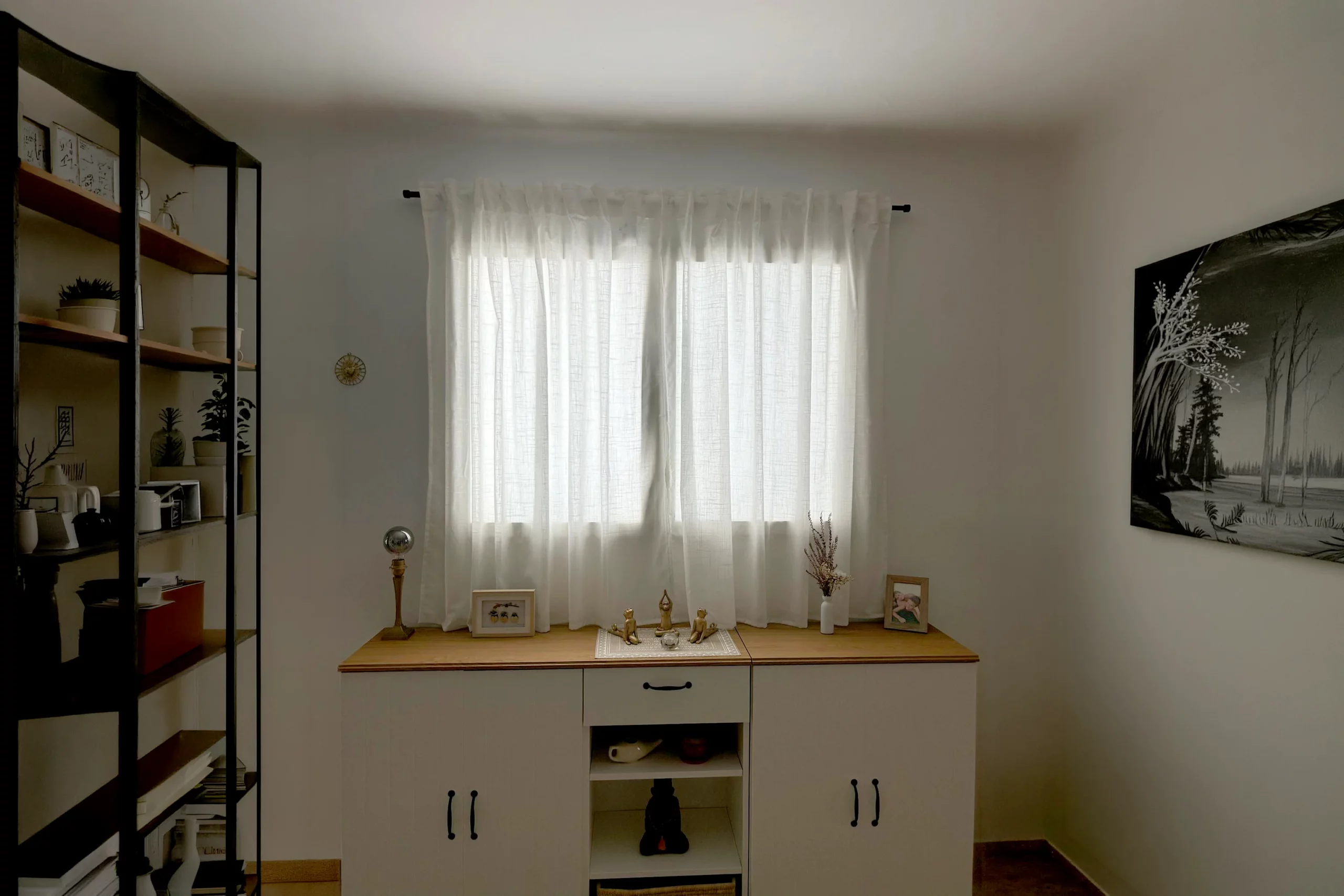
Solar Window
From 554,08 € VAT exc.
Interior walls and proportionate surfaces
One of the best locations for a solar window is a clean interior wall with no actual opening to the outside.
On surfaces like these, the large window can serve as a simulated visual opening. Its horizontal format helps break up the feeling of a closed wall and provides a source of light with architectural significance.
It is especially recommended when you are looking for:
- Transforming an interior wall
- Create a false visual exit to the outside
- Create a sense of openness
- Enhance brightness
- Improving the Perception of Space
- Integrating a lighting solution with architectural design
- Contribute to the visual and environmental well-being of the space
Rather than being treated as just another decorative light fixture, the Ventanal Solar should be considered part of the project’s interior architecture.
Areas where a large window looks realistic
The Solar Window is most effective in spaces where a horizontal visual opening is appropriate in terms of scale, proportion, and the room’s use.
It is not intended for just any interior wall, but rather for areas where a large window can be seamlessly integrated into the space.
It’s especially suitable for:
- Reception areas, clinics, or corporate spaces with an available wall
- Lounge rooms, waiting areas, or rest areas
- Wellness facilities, spas, or relaxation areas
- Homes with interior walls that don’t face the outside or receive little natural light
- Rooms, interior spaces, or hallways where a large window would be appropriate
- Showrooms, contract spaces, or retail areas where the false window serves as a design element that creates a horizontal visual flow
In spaces where a wider opening is desired, it may be more appropriate to use formats such as double windows or double balcony windows. If the space calls for a vertical design, a balcony window may be the best choice.
Proportion, Viewing Distance, and Scale
Before choosing a solar window, it’s a good idea to consider how it will look based on how the space is actually used.
A horizontal window works best when there is enough distance to appreciate it as a visual opening, rather than as an element that is too close or oversized.
It’s a good idea to review:
- Width and height of the available wall space
- Distance from the observation area
- Relationship with doors, furniture, and finishes
- Installation Height
- Proportion relative to the rest of the space
- The level of prominence the piece should have
- Whether the large window will be perceived as the main opening or as an environmental element
The solution should feel seamless and authentic. If the scale of the wall calls for a more prominent presence, a larger format may achieve a more appropriate result.
If you need to determine whether the Solar Window is the right option, we can assess the available wall space, scale, intended use, furniture, and desired level of light.
Ask for advice on choosing the most suitable false window design.
Integration with furniture, paneling, and pathways
For the Solar Window to function properly, it must be in harmony with the architectural language of the space.
Its location should complement:
- Plywood
- Cladding
- Fixed furniture
- Rest or waiting areas
- Visual Axes
- Wall Finishes
- User Paths
- Existing ambient lighting
It is also best to avoid locations where it competes with screens, main signage, displayed products, or prominent graphic elements.
The best integration is achieved when the large window appears to be part of the interior architecture rather than a later addition.
Dimensioning Based on Space Utilization
Dimerization allows the Ventanal Solar to be adapted to different situations within the same project.
Not all spaces require the same level of light intensity. A reception area or living space may call for more active lighting, while a wellness area, lounge, or relaxation area may benefit from softer, more integrated lighting.
The adjustment mechanism allows you to adjust the window based on:
- Time of day
- Space Activity
- Ambient light level
- Desired sensation
- The window takes center stage
- Viewing Distance
- User Comfort Needs
This flexibility allows the solution to serve as a decorative feature, a visual reference, and an adjustable environmental element.
When to Choose a Different Format
The Ventanal Solar is ideal when you’re looking for a clean, well-proportioned horizontal faux opening.
However, if the available wall space is larger, the viewing distance is greater, or the room calls for a more striking design, it may be better to use a larger format.
In such cases, it is advisable to consider:
- Solar Double Window, for when you’re looking for a wider horizontal opening
- Solar Double Balcony, for when you need a greater vertical presence
- Balconera Solar: For Those Seeking a More Compact Vertical Opening
- Solar single-pane window, for small spaces or specific areas
Choosing the right format ensures that the faux window appears proportionate, integrated, and consistent with the space.
Integration Based on Scale and Credibility
The Solar Window works best when the space allows it to be perceived as a horizontal visual opening.
Its value lies in combining:
- Horizontal scale
- Architectural Proportion
- Luminous Presence
- Integration with the wall
- Visual Well-Being
- Adjustable intensity
- A sense of connection with the outside world
When installed on a suitable wall, a large window can transform the perception of space. When the space calls for a different scale, a more compact, wider, or taller format can create a more natural and balanced look.
More info about...
-
Solar Window
From 554,08 € VAT exc.
Find answers to more questions in these articles
Solar Window for Indoor Spaces Without Natural Light A horizontal visual opening to transform the …
Where to Install a Solar Skylight Indoors A horizontal visual layout requires adequate space Its …
Solar Window vs. Other Fake Windows Choose the appropriate option based on the project’s objective …