Are you a professional? B2B Customer Area

Should we talk?

Give us a little time—we don’t use bots.

Monday through Friday
From 9 a.m. to 6 p.m.

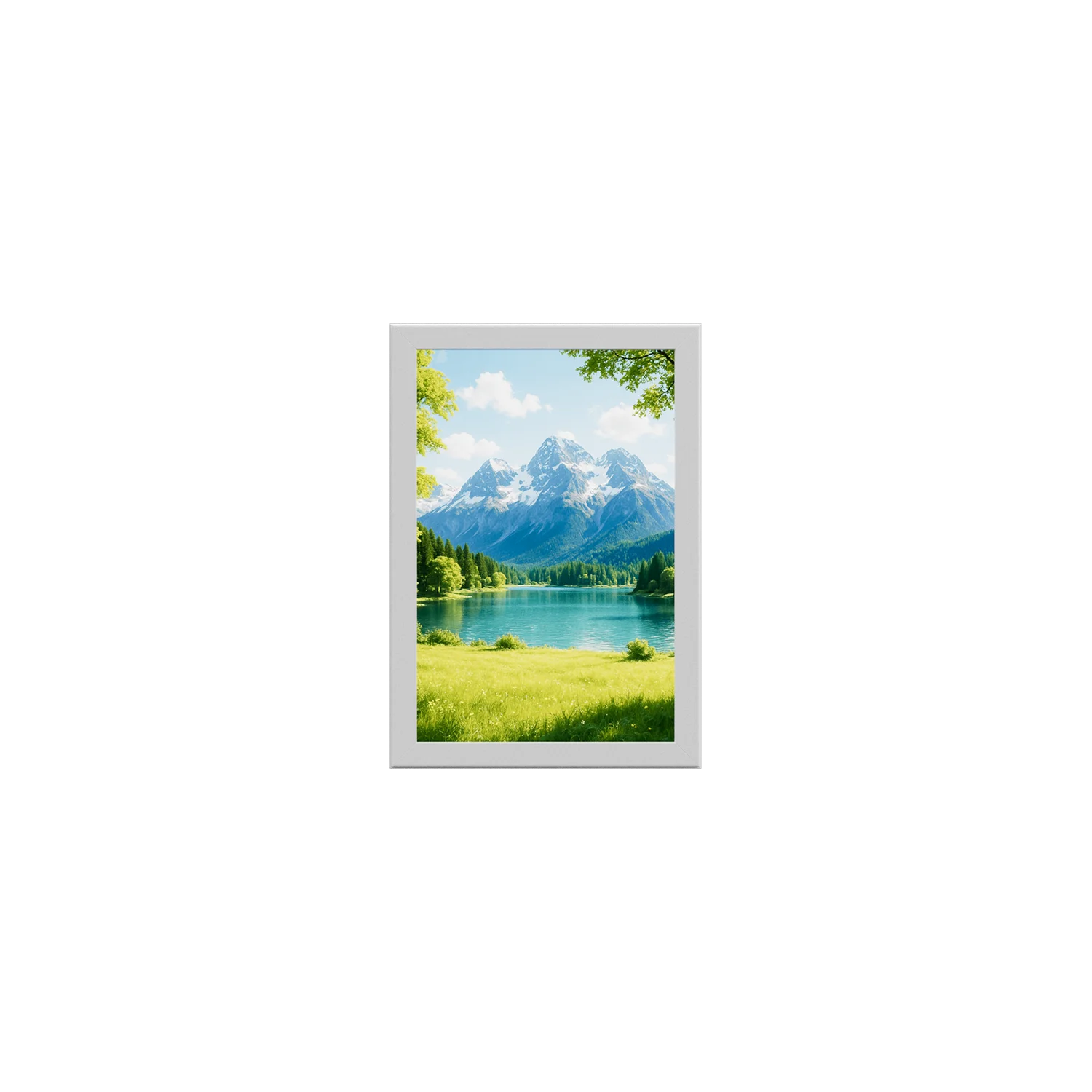
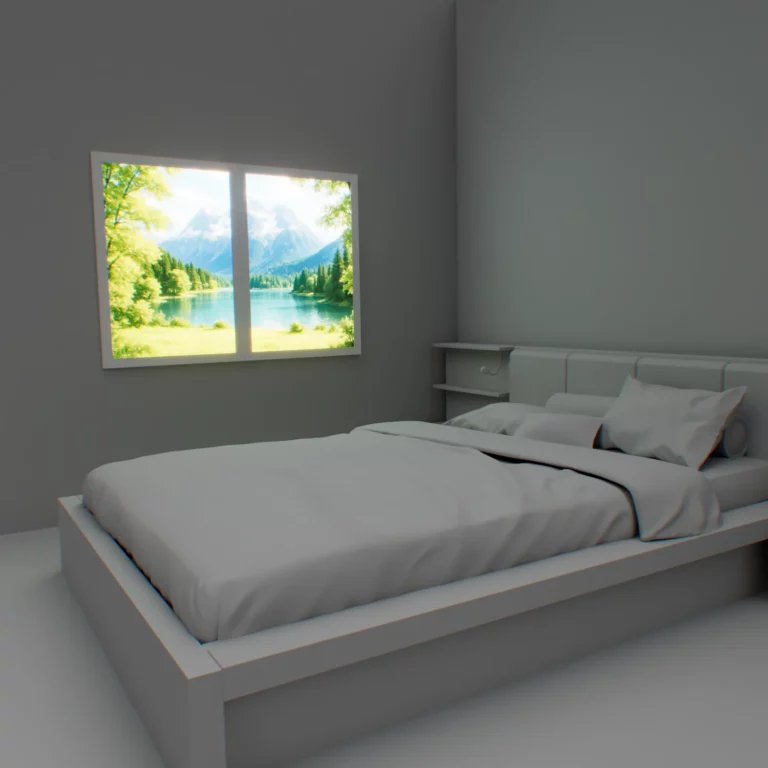
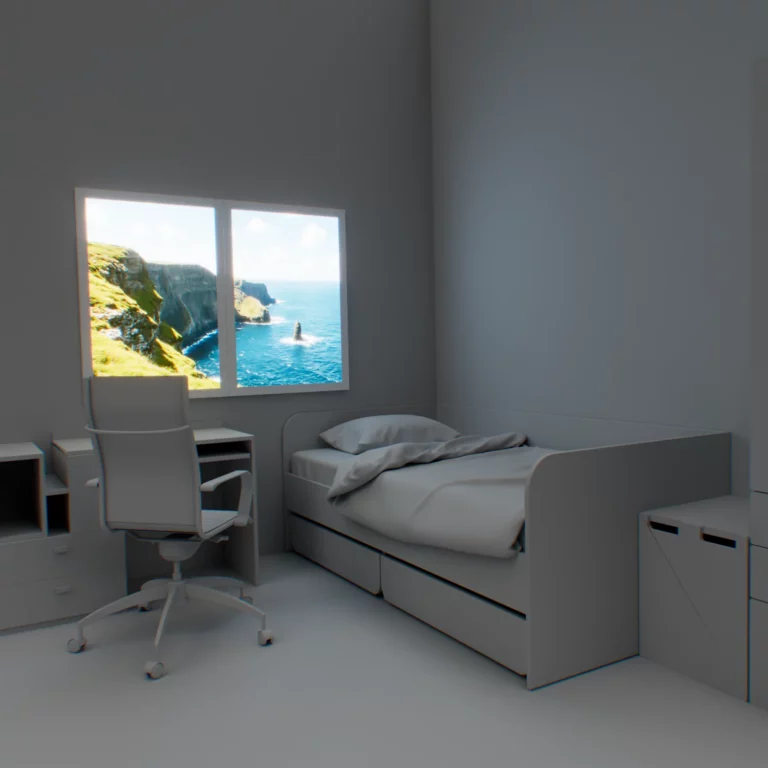
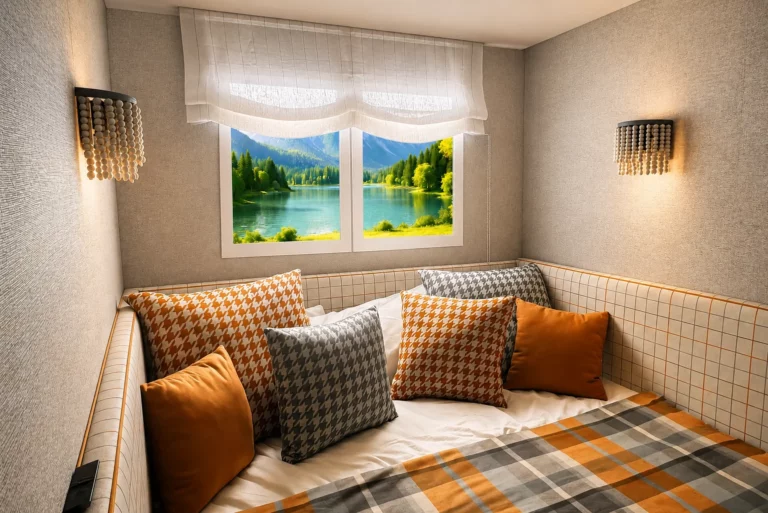
Large window with a graphic to create a faux exterior view

A decorative visual element to transform the atmosphere

Not all interior spaces have a real view of the outdoors.

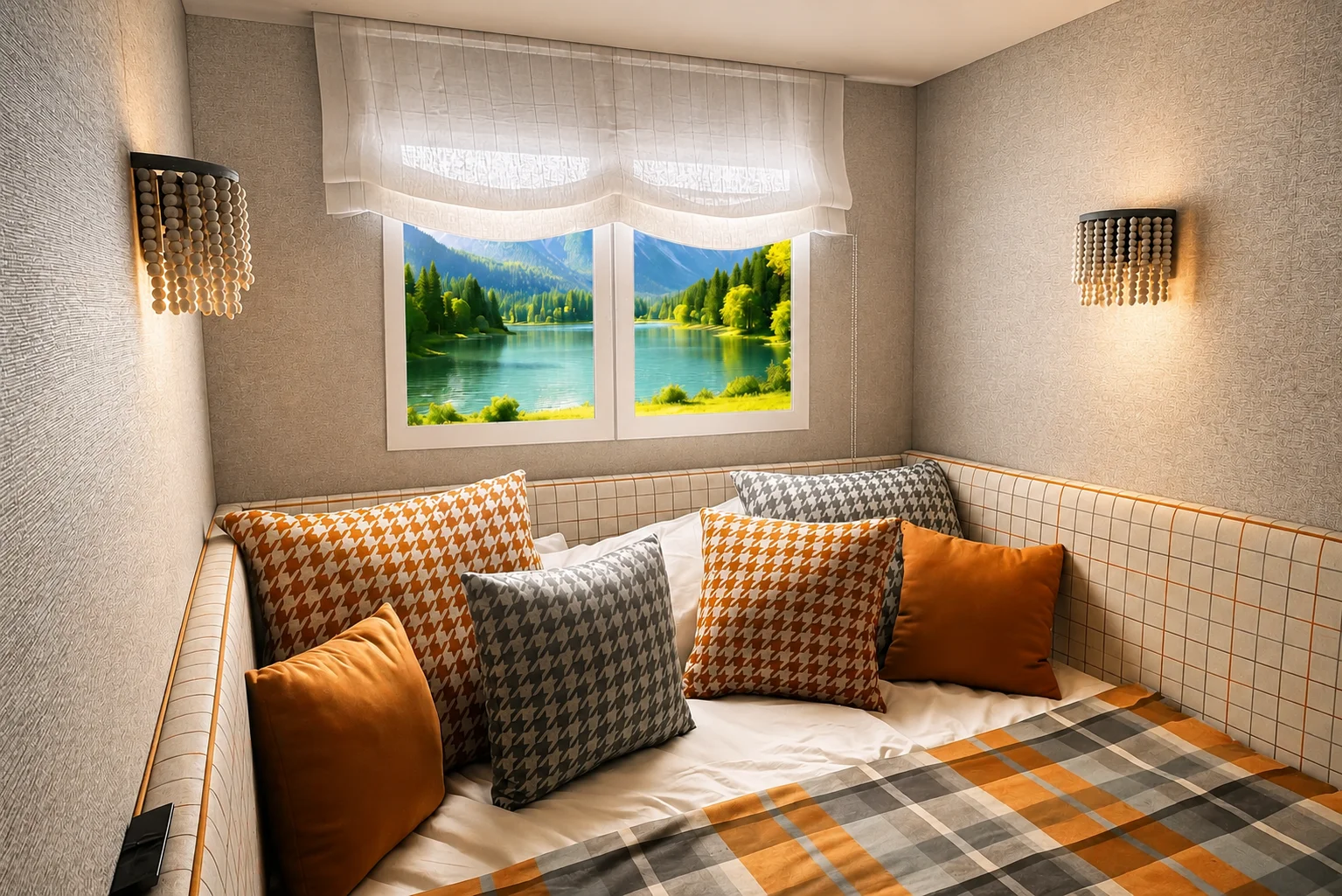
In projects featuring a non-exposed interior wall, an enclosed area, or a space that needs to gain visual depth, the Graphic Window allows you to create a decorative faux opening using a backlit scene with horizontal text.

Its goal is to create a visual cue that the brain interprets as an outdoor view, helping the space feel more open, balanced, and pleasant.

Unlike a Solar solution without an image, this version includes a predefined graphic that adds scenery, color, depth, and decorative appeal to the project.

Do you have a wall where you could install a horizontal false exterior wall?

Configure your window using the graphic tool and choose the style, frame finish, and accessories based on your project’s needs.

A window with a graphic that does not show a real view

The window with a graphic transforms an interior wall that has no connection to the outside into a simulated visual opening.

Its horizontal format helps create a look similar to a real window, while the backlit graphic adds a visual element that brings depth, atmosphere, and decorative appeal.

It can help create:

  • A sense of openness
  • False exterior view
  • Greater visual depth
  • A more pleasant atmosphere
  • Decorative Integration
  • Wall-mounted spotlight
  • A more visual and immersive in-car experience

This solution is particularly well-suited when the architecture does not allow for an actual window, but the space does accommodate an integrated horizontal visual element.

Preset scenes to add scenery and depth

The Ventanal with graphics uses predefined scenes designed to create different atmospheres within the space.

The choice of graphic design directly influences how the atmosphere is perceived:

  • A natural scene can bring a sense of calm
  • A view of water can enhance the feeling of relaxation
  • An open landscape can enhance the sense of spaciousness
  • A winter scene can create a more serene atmosphere
  • A bright graphic can make the whole design stand out more

The key isn’t to choose the most eye-catching image, but rather the one that best complements the use of the space, the interior style, and the desired atmosphere.

Visual Well-Being Through Image, Light, and Perception

The window with the graphic serves as a stable visual reference within the space.

The backlit image can help transform a solid wall from a rigid boundary into a potential visual opening to the outside.

This visual effect of openness and well-being is particularly useful in interior spaces where the goal is to enhance the user experience without resorting to complex architectural modifications.

Its value lies in combining:

  • Landscape orientation
  • Backlit display
  • Sense of Landscape
  • Visual depth
  • Ambient light
  • Aesthetic Integration
  • A more positive perception of the environment

If the project requires transforming a solid wall into a natural scene or a decorative faux exterior view, the graphic window can be incorporated as a visual, functional, and environmental element.

Ask for advice to determine whether this format and type of graphic are a good fit for your space.

A more decorative solution than a Solar window

The version with graphics is suitable when you’re looking for a more visual, decorative, and theatrical solution.

Unlike the Solar Window, which maintains a clean, unadorned look, the Graphic Window features a scene that plays an active role in the interior design.

It is particularly well-suited when the project seeks to:

  • Decorative false exterior window
  • Luminance image in landscape orientation
  • Wall with greater visual depth
  • Natural or scenic scene
  • Light Focus Point
  • A solution with a more aesthetically pleasing appearance.

Graphic design, framing, and ambiance as part of interior design

To ensure proper integration, the graph should not be chosen in isolation.

It must be related to:

  • Colors of Space
  • Interior Materials
  • Furniture
  • Use of the room
  • Decorative style
  • Desired level of involvement
  • Frame Finish
  • Existing ambient lighting

A soft design can blend in better with rest areas, wellness areas, or waiting areas.

A more prominent display may work better in showrooms, retail spaces, reception areas, or other areas where a more obvious focal point is desired.

The frame also affects the overall look: it can blend in discreetly or enhance the decorative character of the window.

More info about...

Find answers to more questions in these articles

0
0
Cart
Empty cartReturn to shop