Textured surfaces
Textured Surface
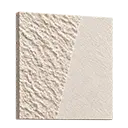
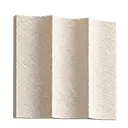
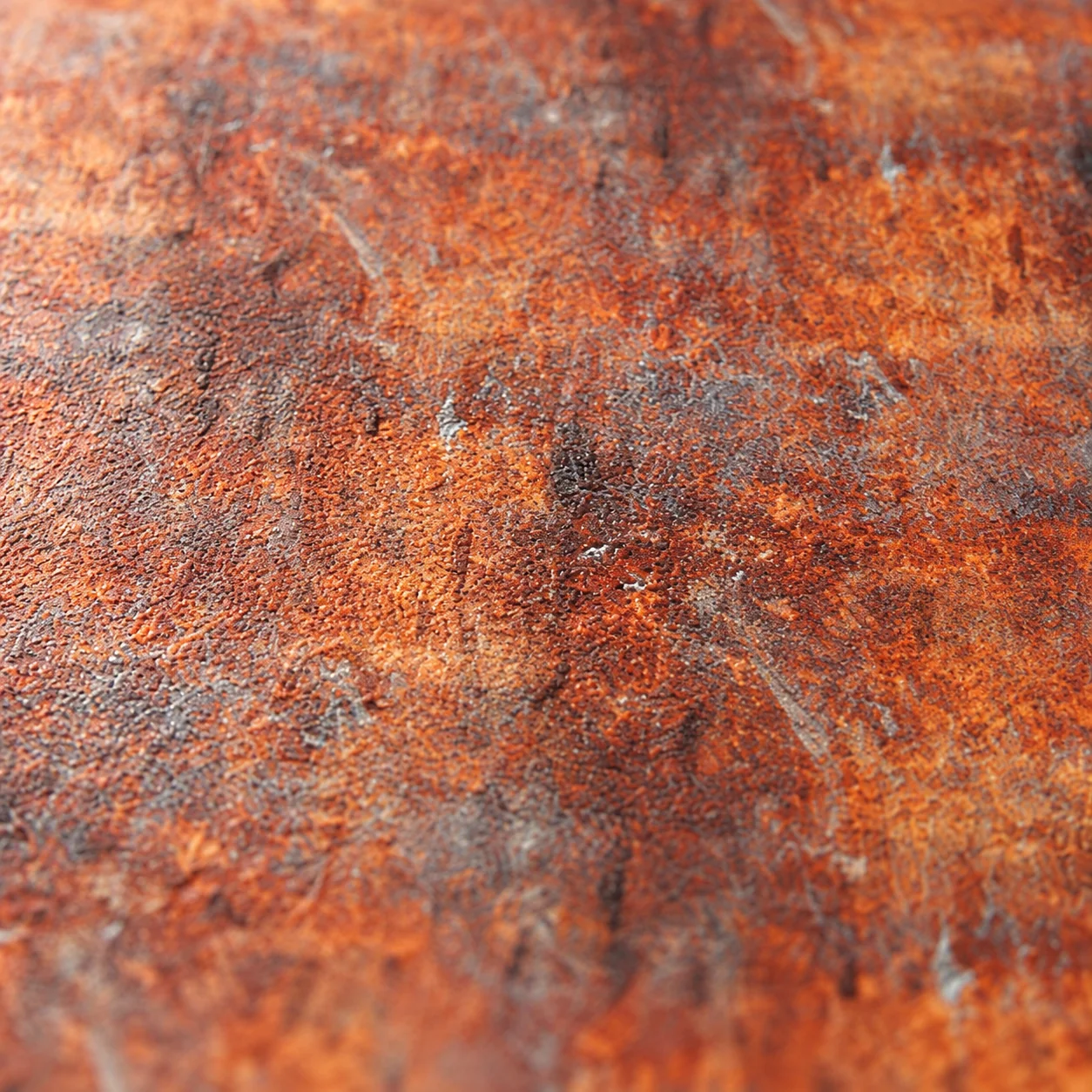
Texture, feel, and materiality to create surfaces with their own unique character.
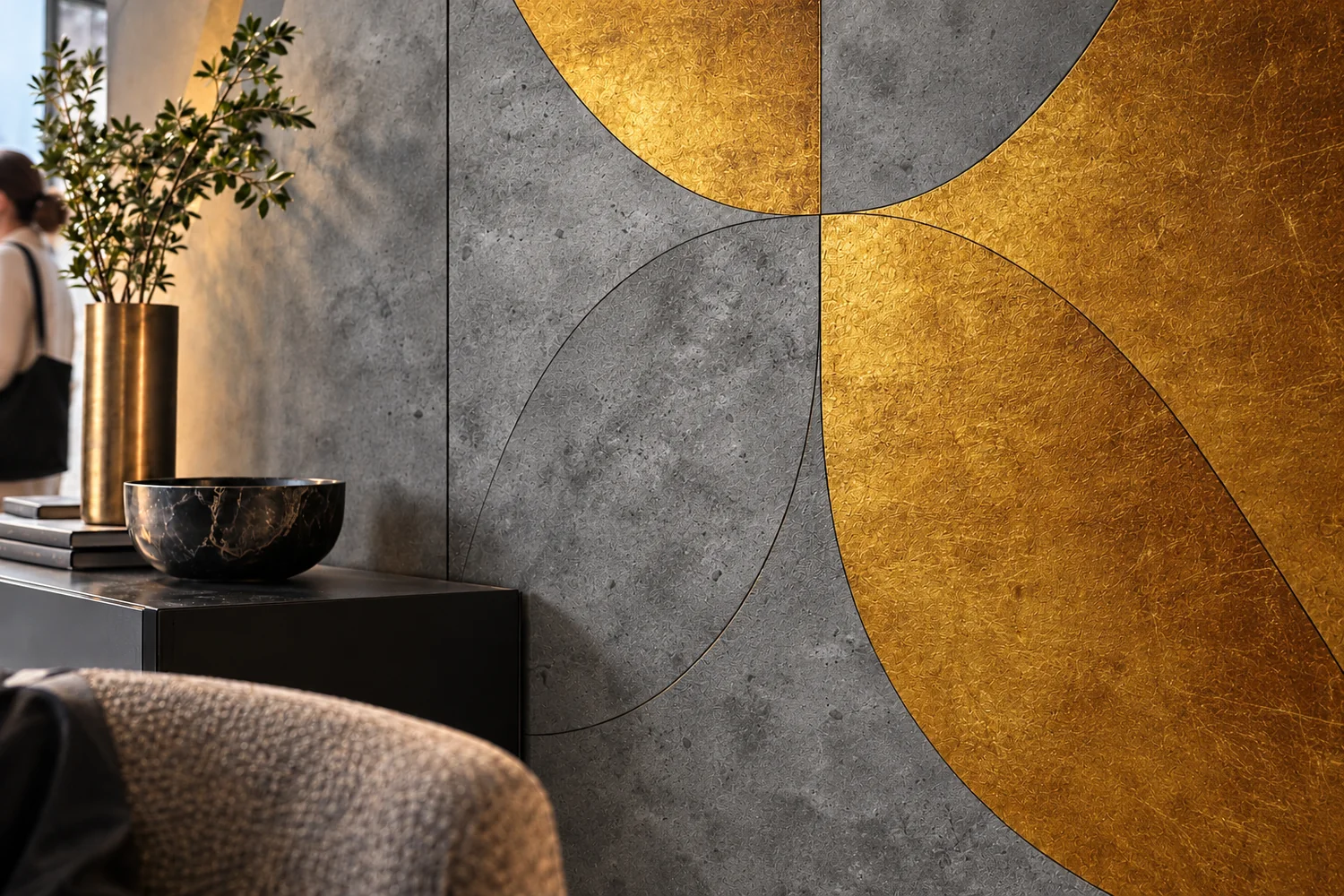
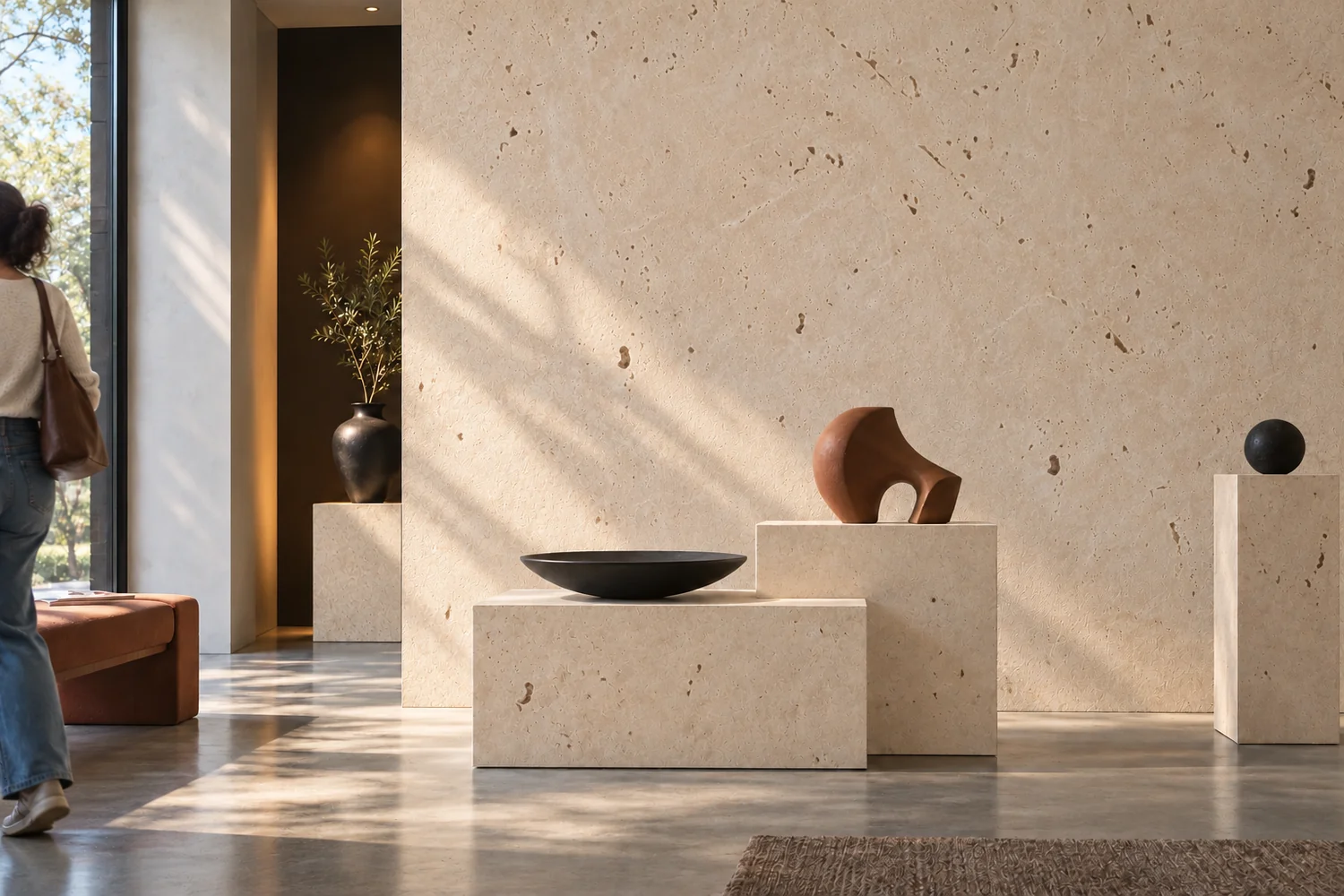
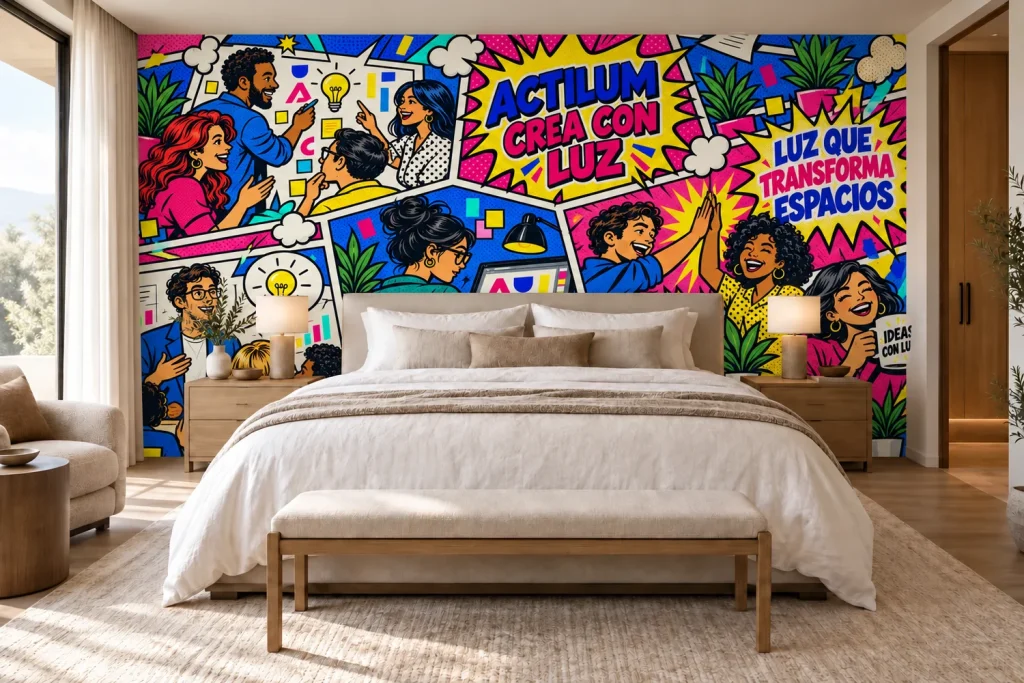
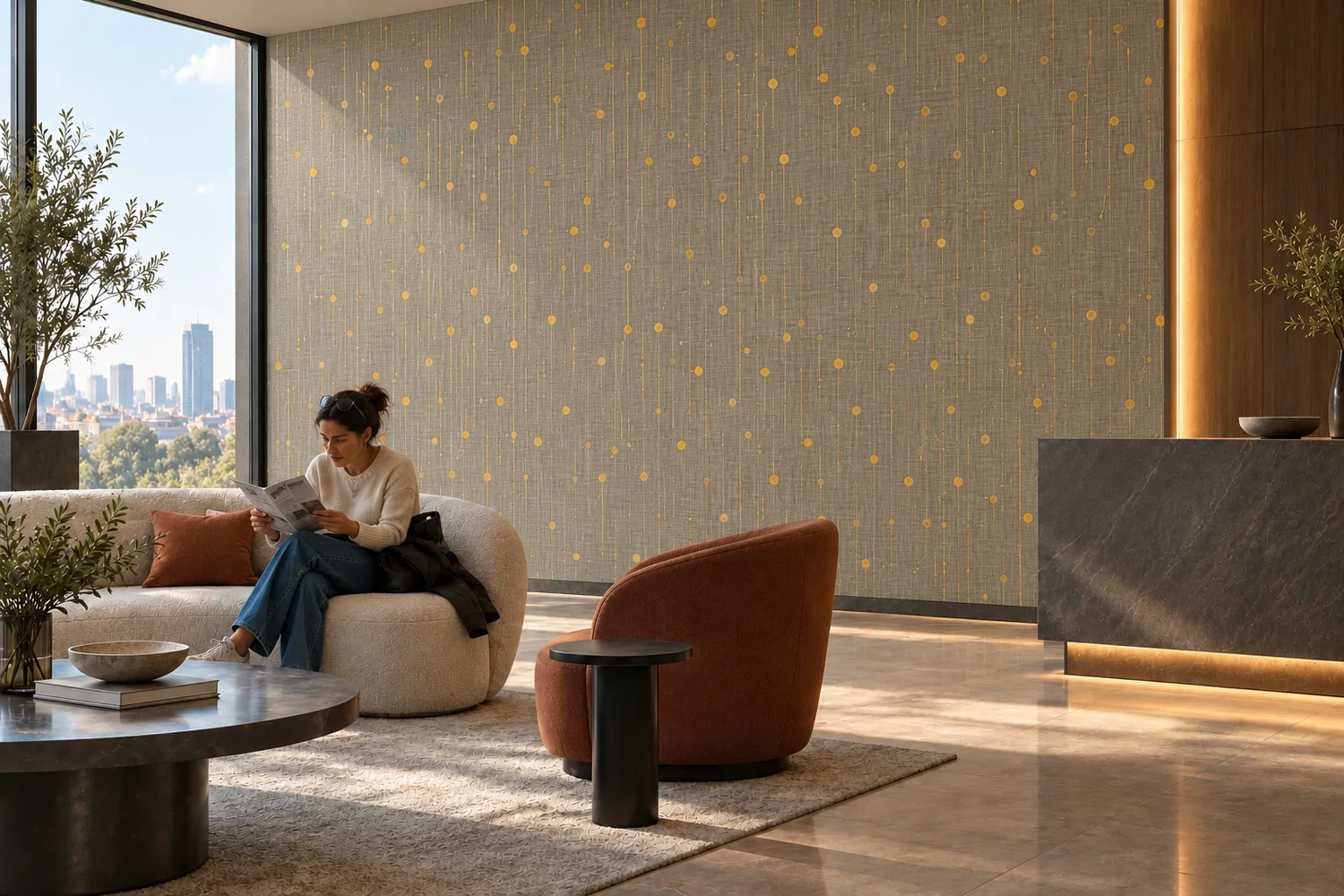
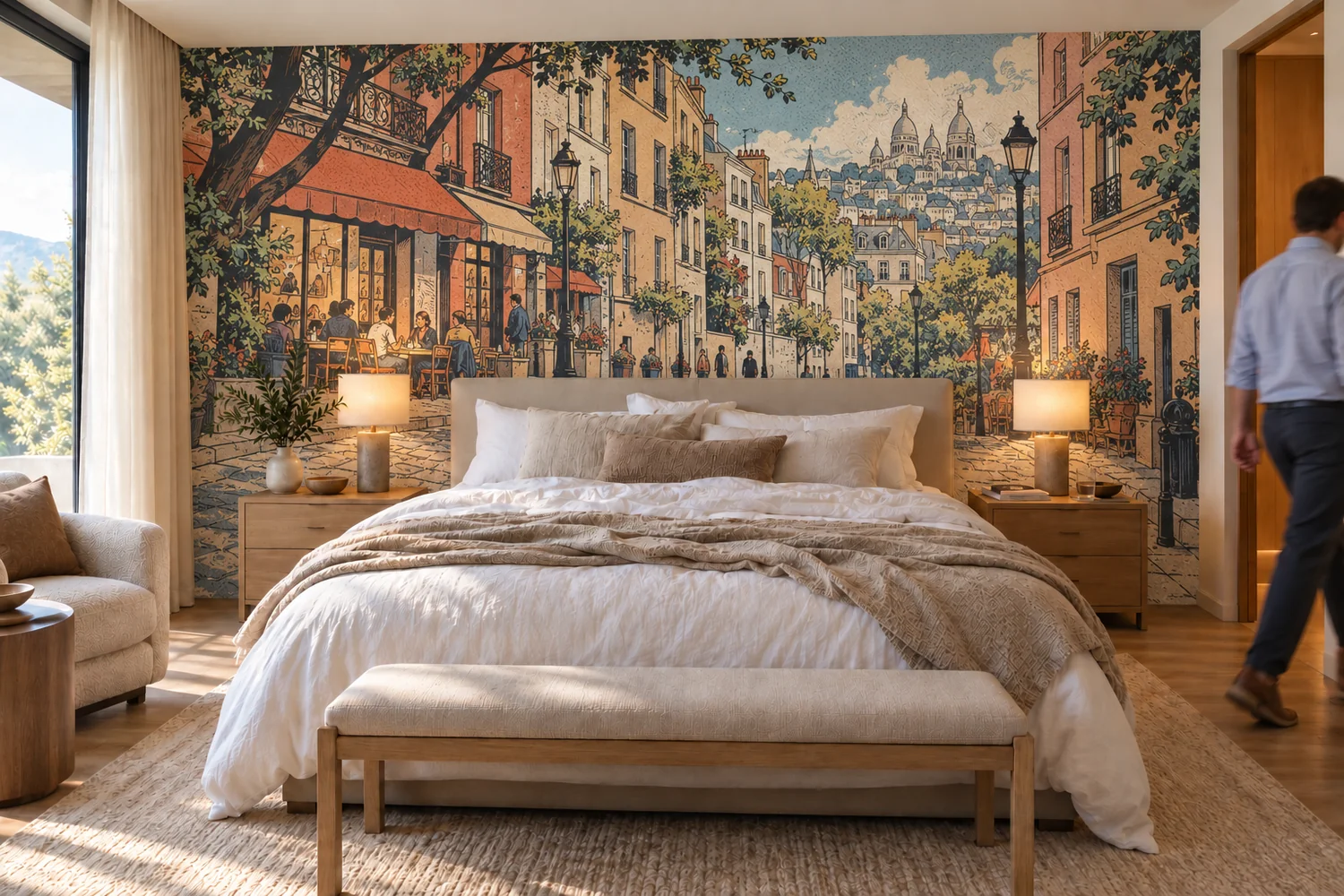
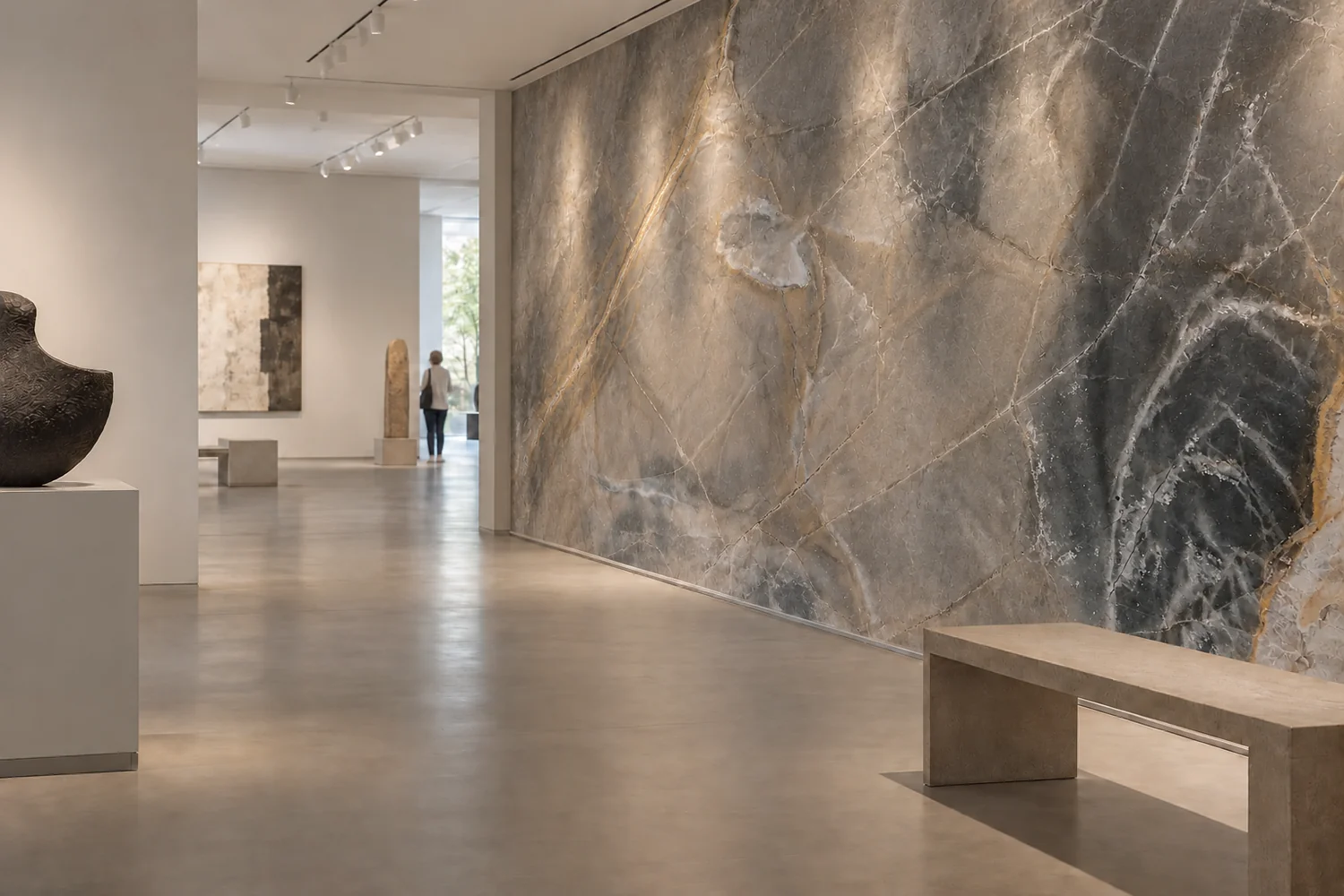
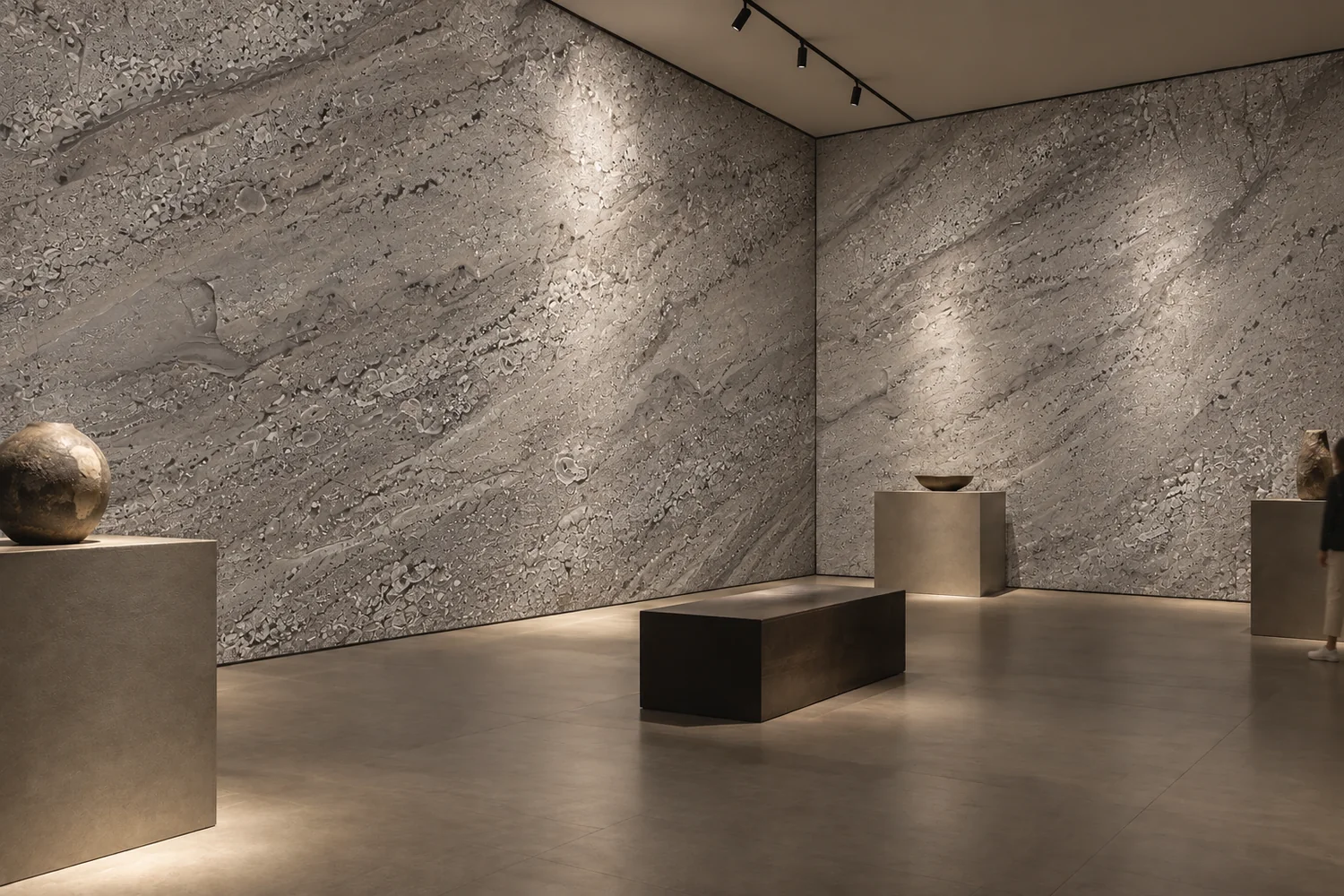
Textured surfaces and finishes allow us to transform the character of an interior by combining appearance, texture, color, graphics, and finish, creating solutions tailored to the aesthetic of each project.
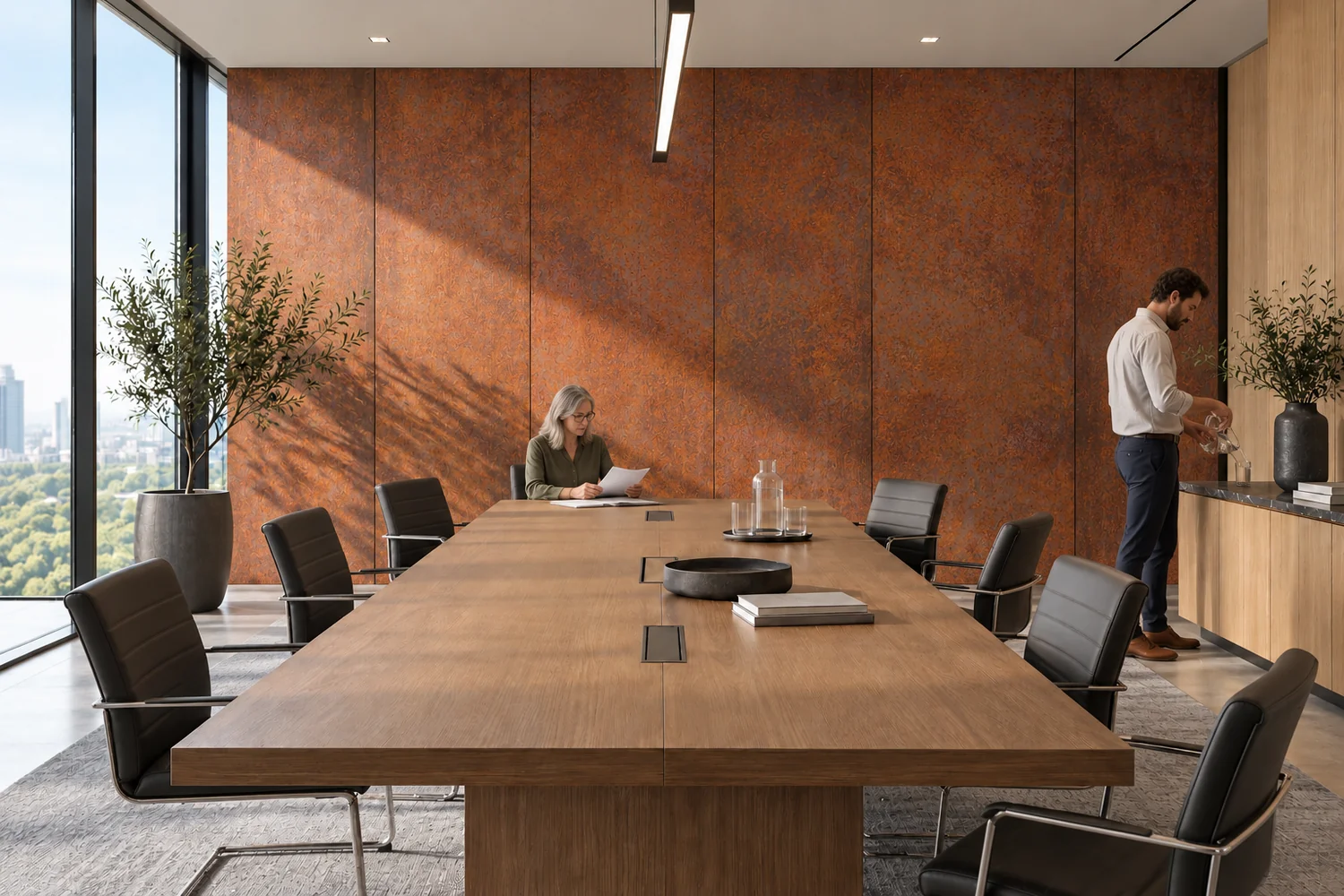
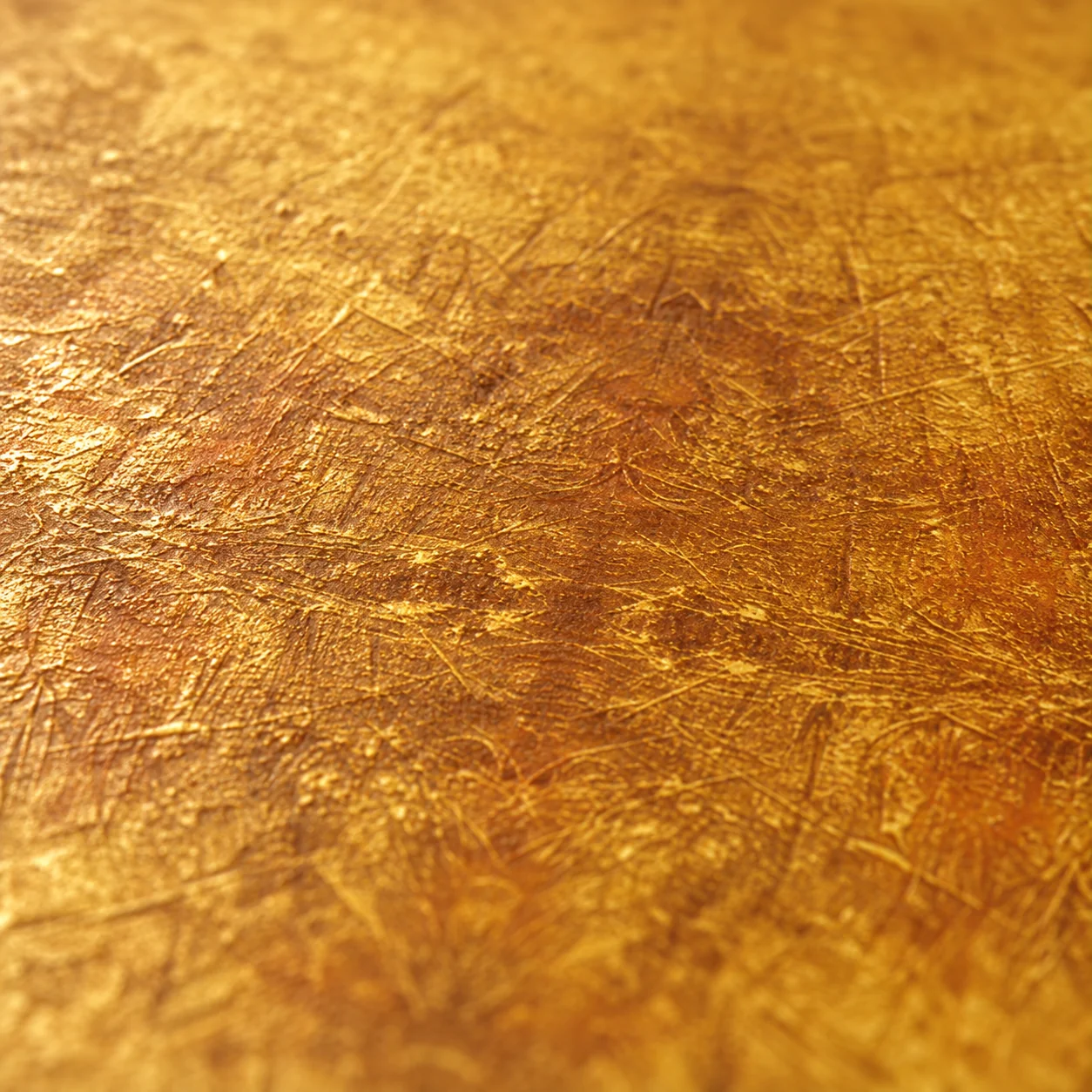
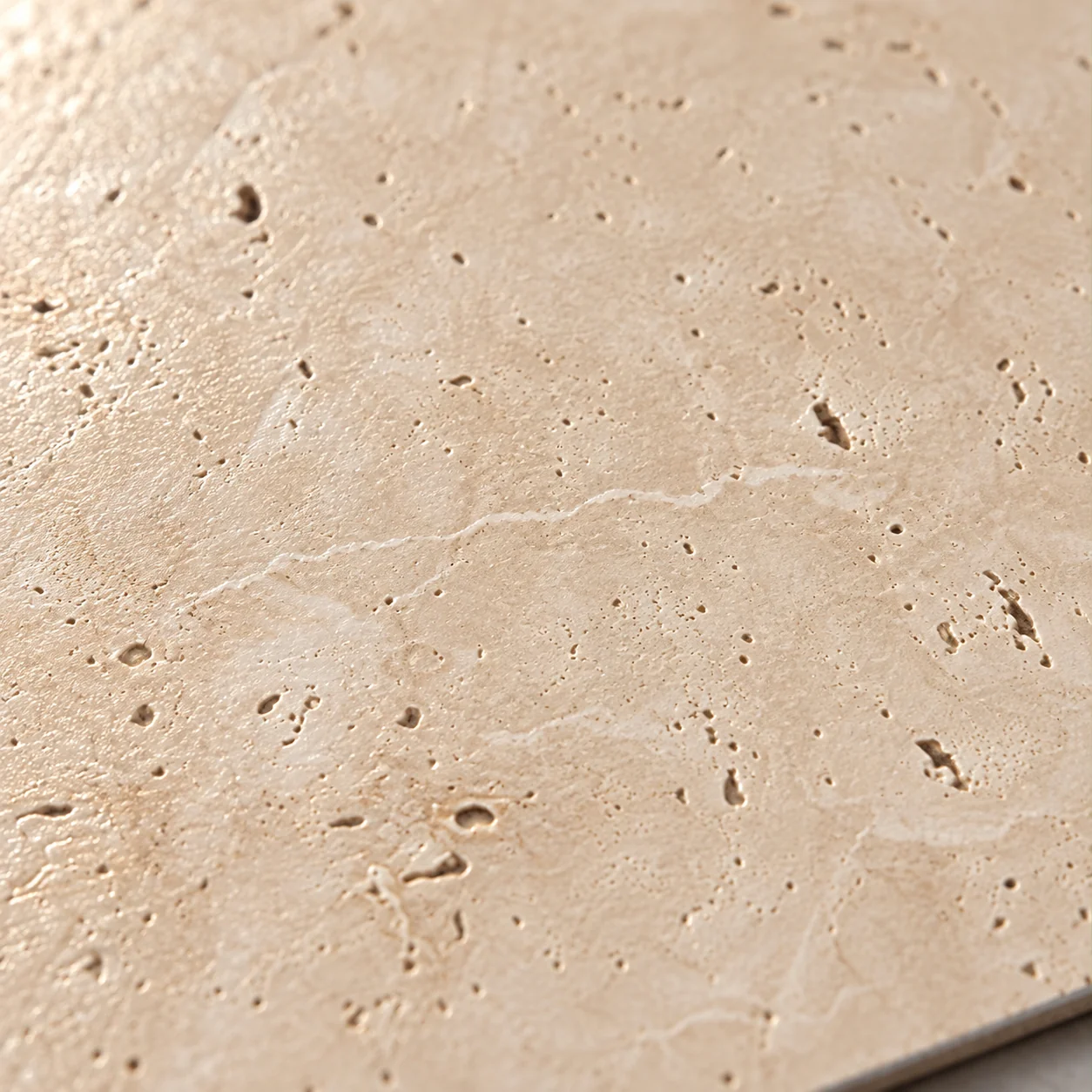
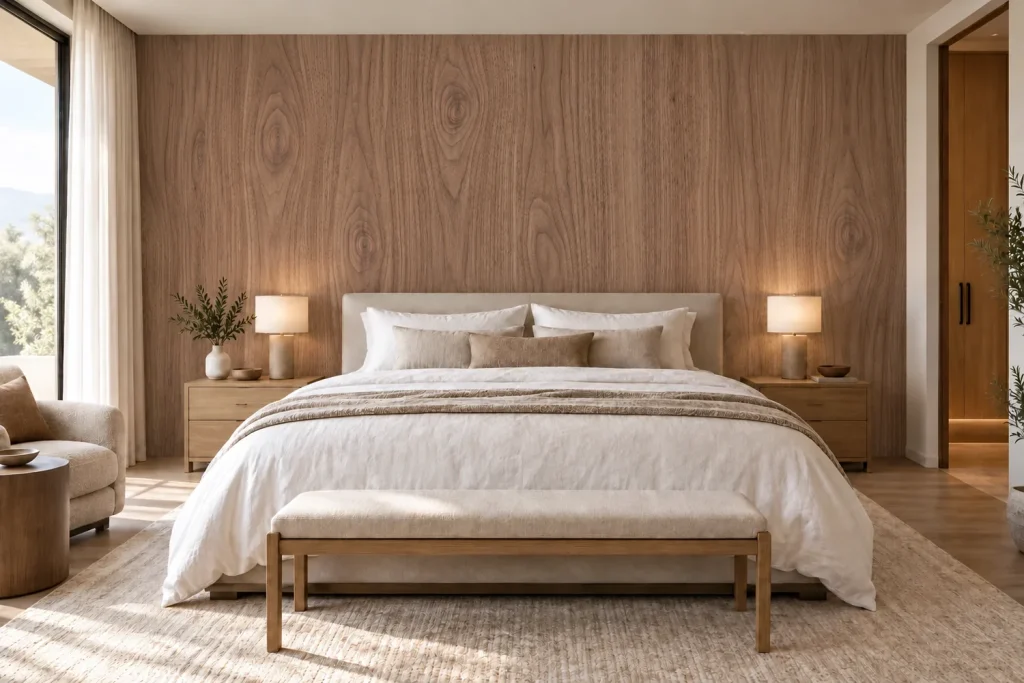
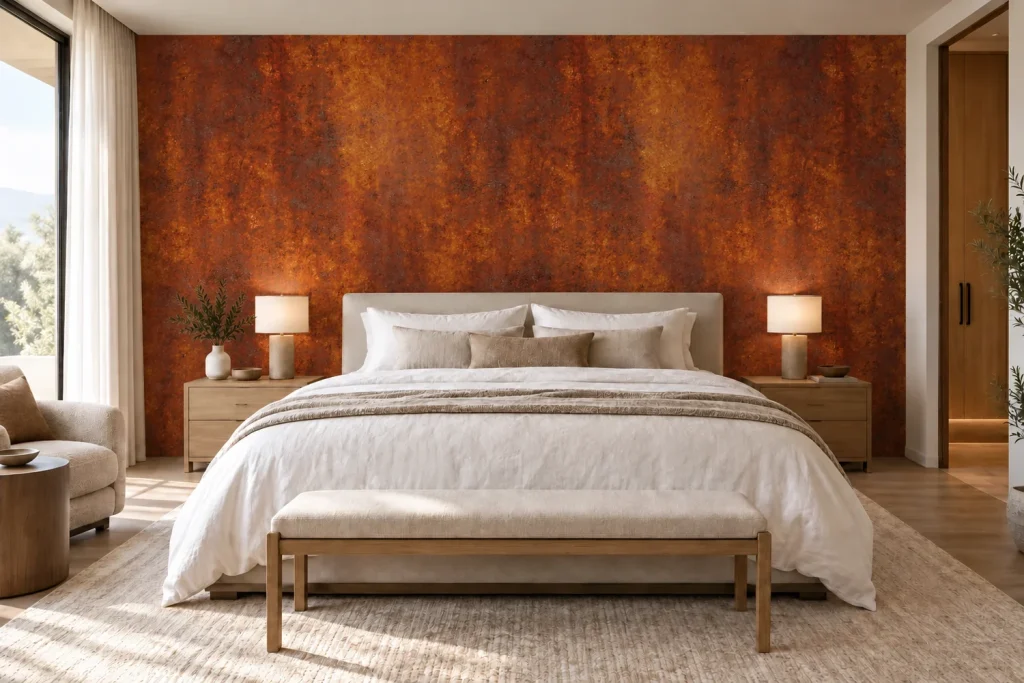
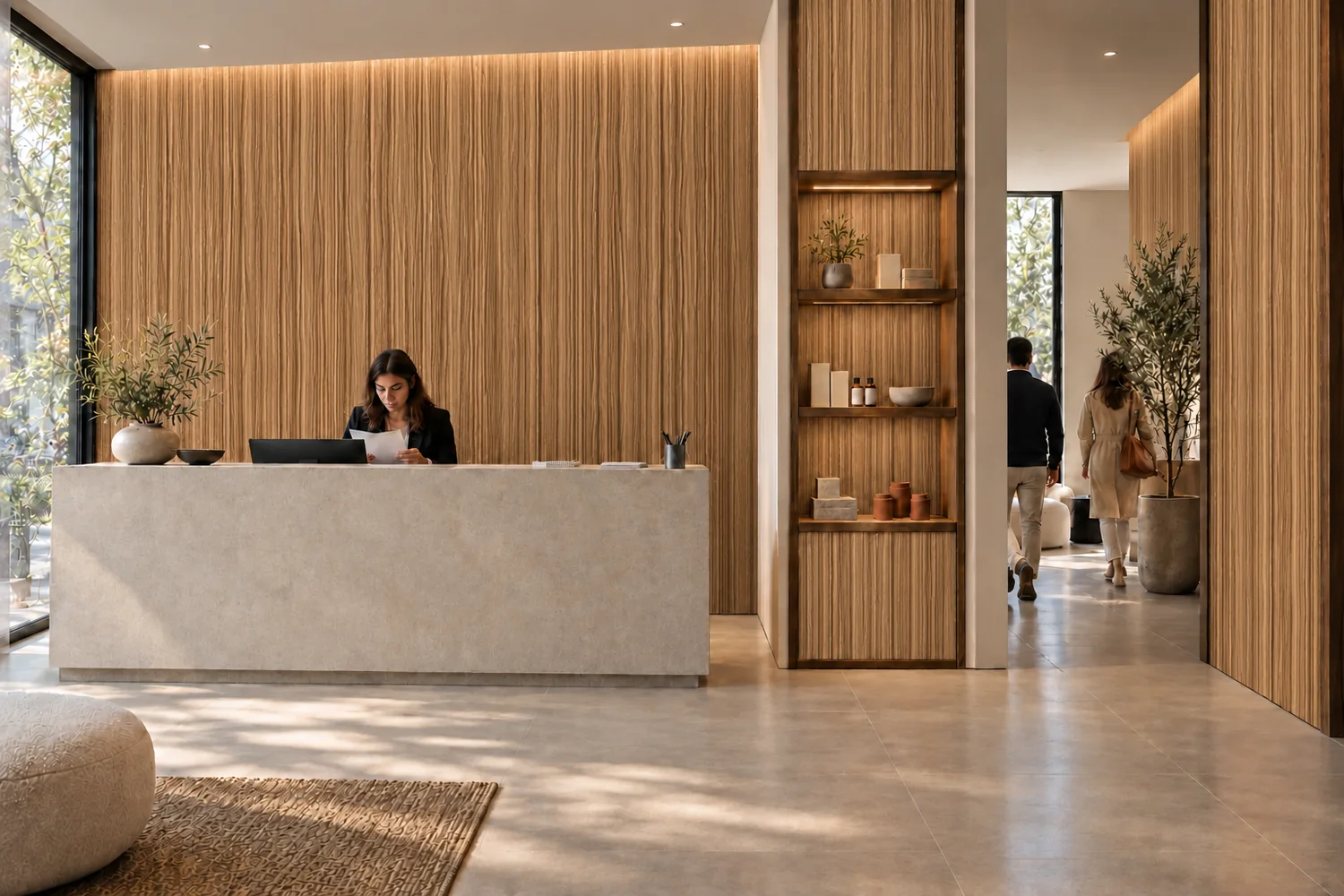
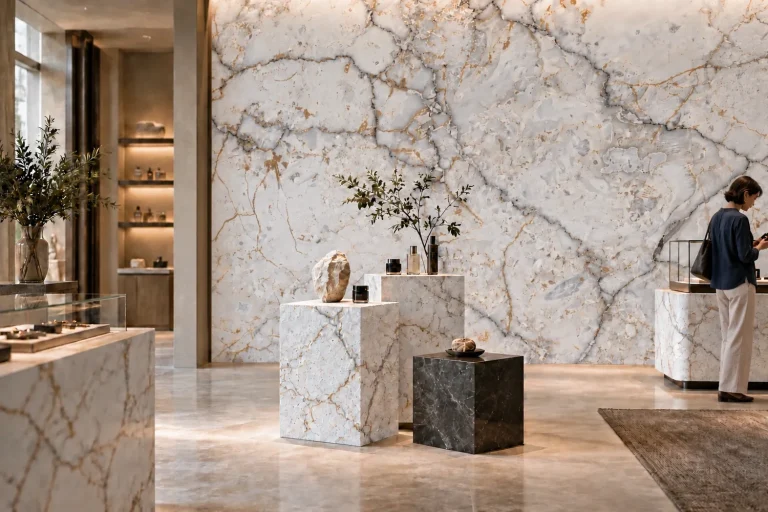
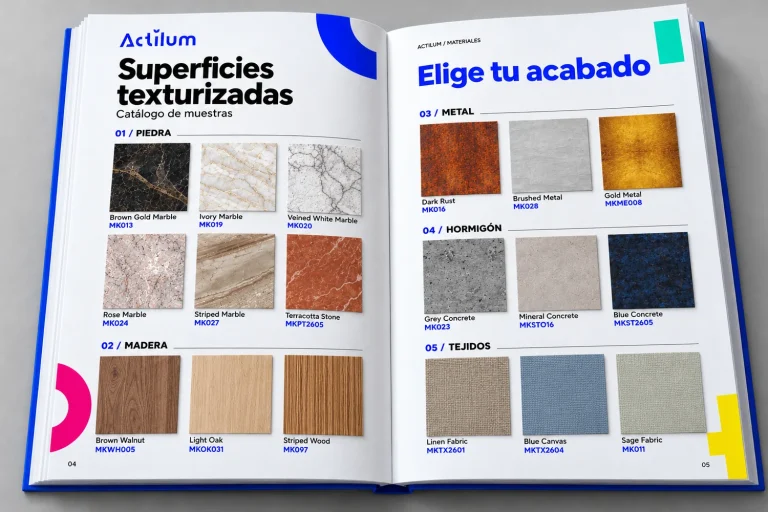
We can start with existing references—such as stone, wood, metal, or textiles—to explore how to reproduce or adapt them within our capabilities. It’s also possible to work with our own textures and finishes, expanding the design beyond the imitation of conventional materials.
The incorporation of tactile variations and surface reliefs adds a physical dimension to the composition, enriching the experience of the space and allowing each design to have a distinct character.
These variables can be combined to maintain visual and sensory continuity between different areas, fostering coherent compositions even when graphics, color, or texture change.
Its repeatability and customization capabilities offer advantages in projects that seek consistency across spaces, ease of renovation, and adaptability to different applications, depending on the characteristics of each solution.
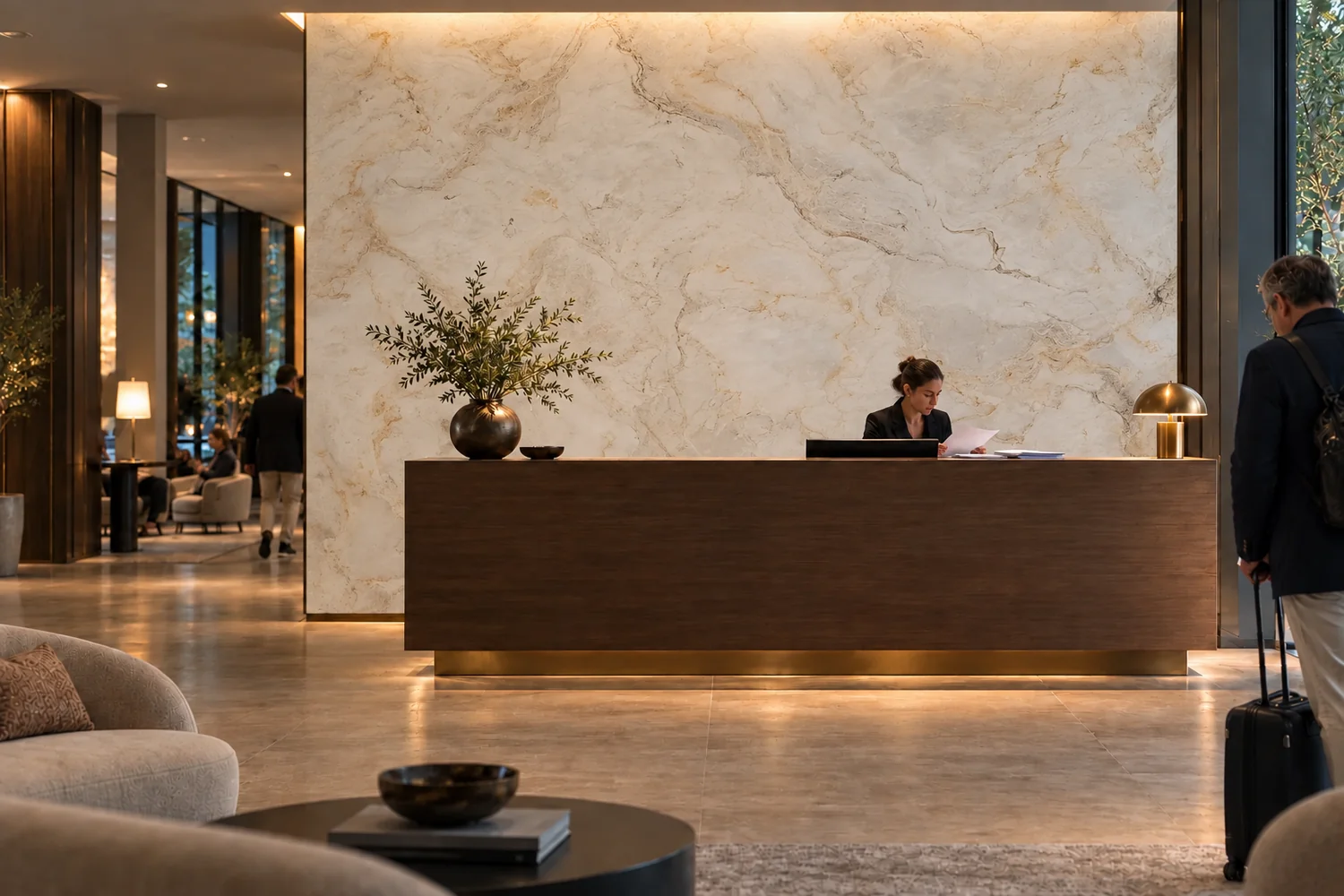
It is particularly well-suited for architecture and interior design, premium retail, hospitality, showrooms, corporate spaces, and brand projects where the surface plays an active role in shaping the environment’s identity.
Three Ways to Approach Each Project
Play
Use reference materials and textures as a starting point to study how to reproduce or adapt them.
Create
Select your own textures and finishes from the Actilum solutions catalog.
Combine
Integrate appearance, texture, color, graphics, and finish to create a design that is consistent with the project.
From Concept to Exhibition
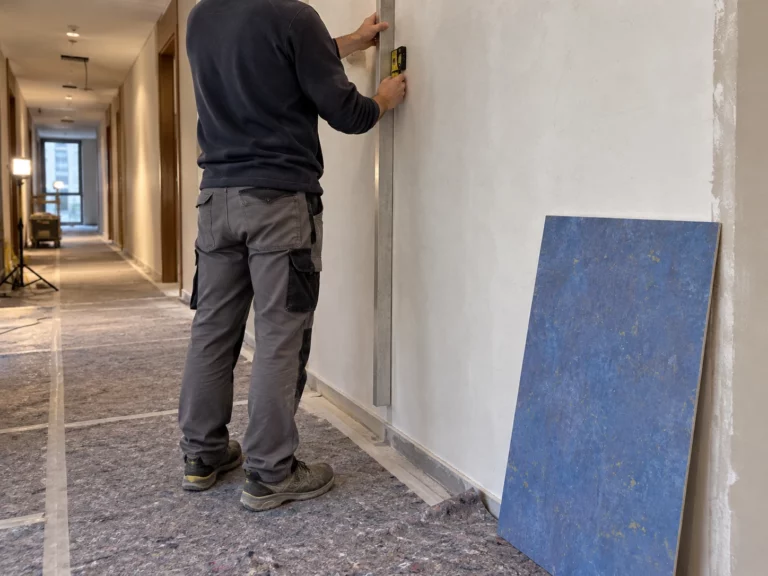
For medium- and large-scale projects, the solution can be validated using a preliminary physical sample, allowing for verification of texture, feel, color, and finish before moving on to production.
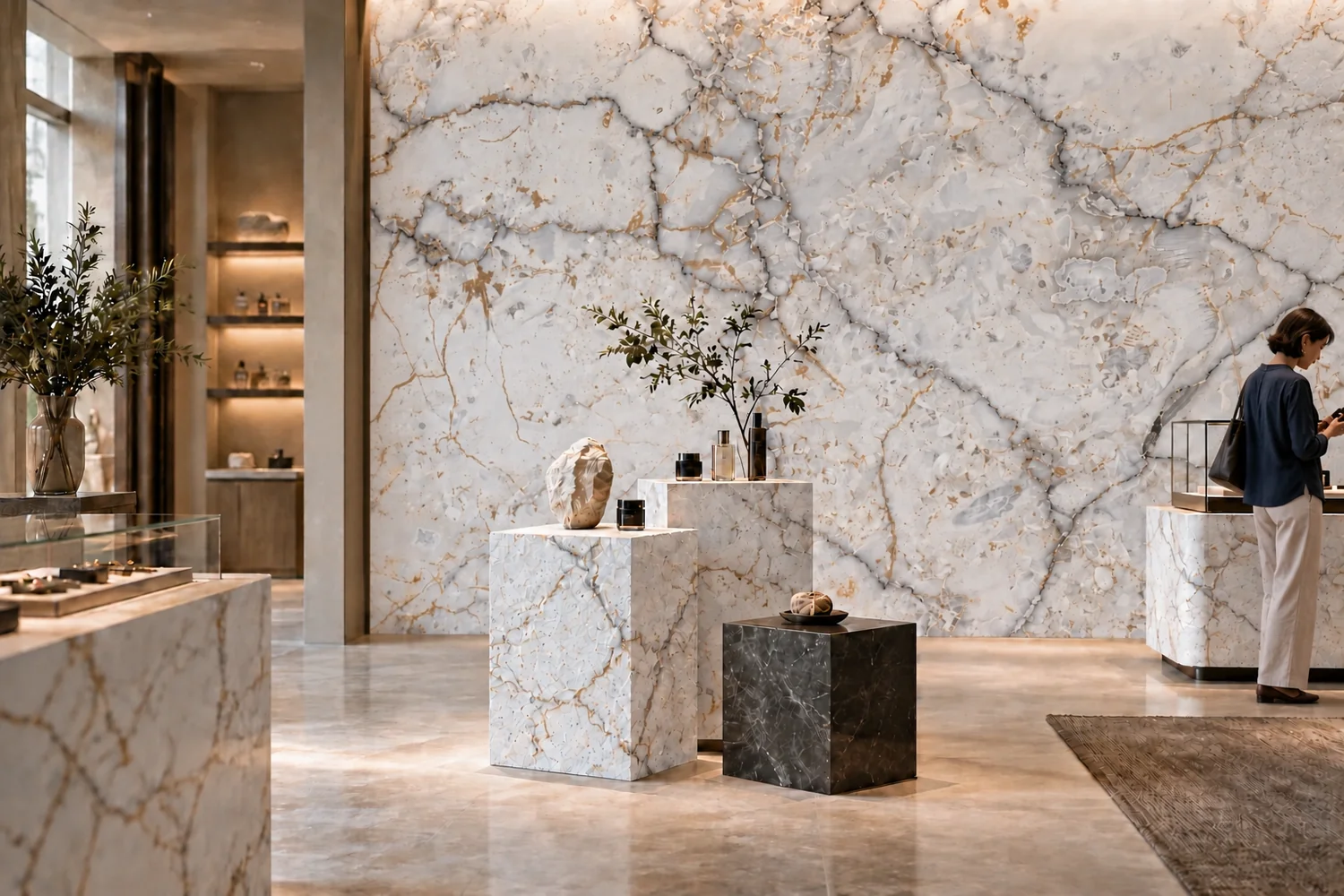
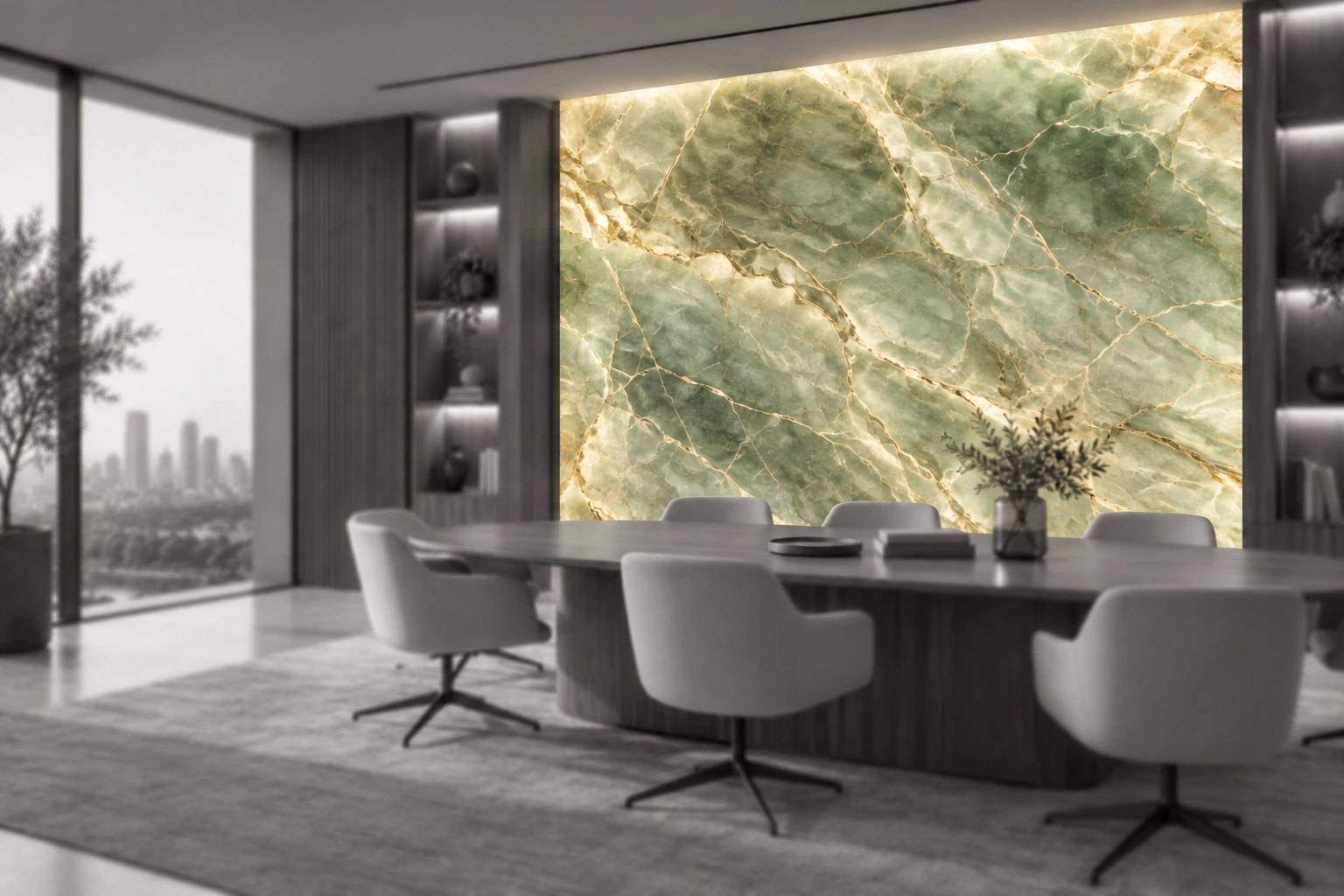
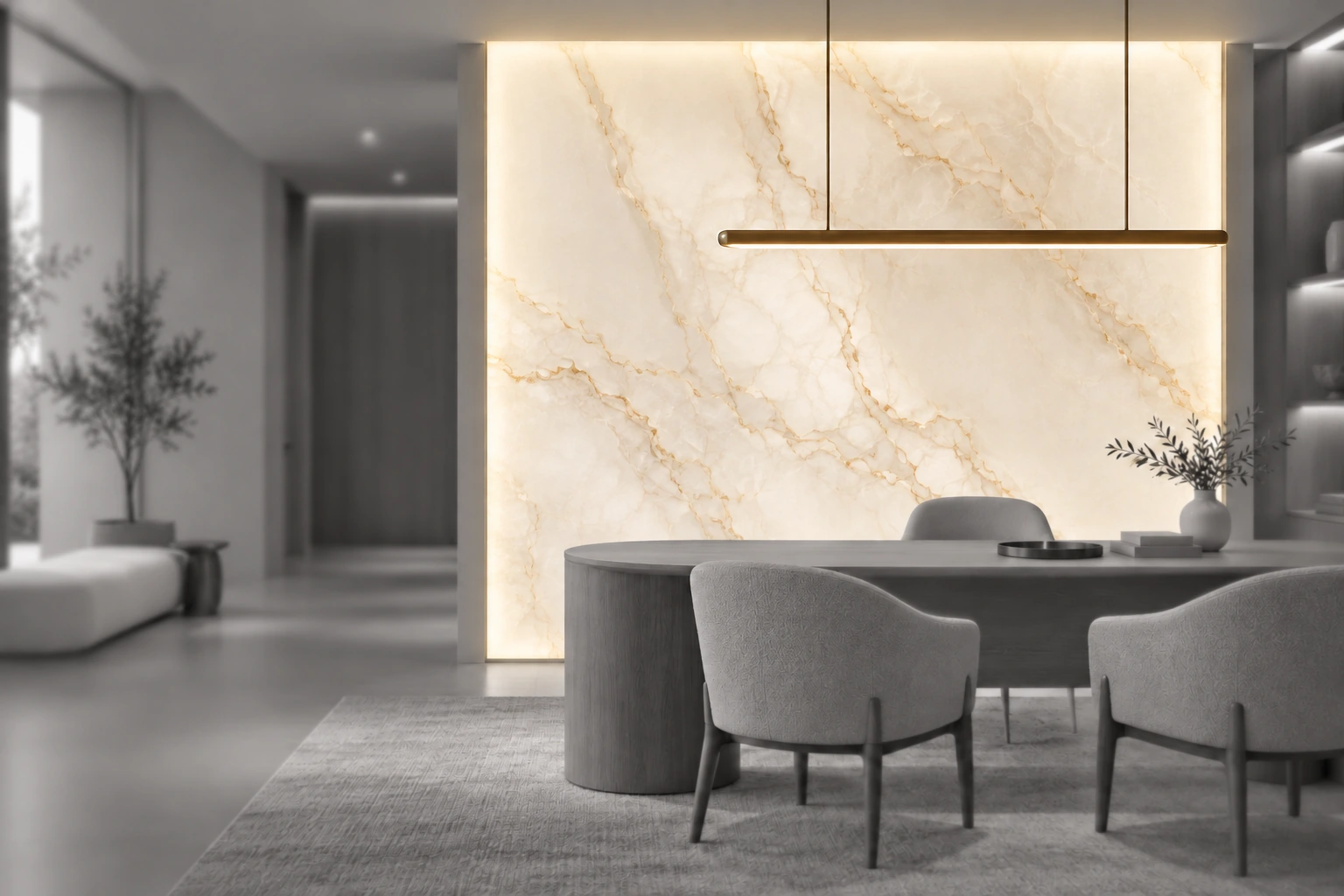
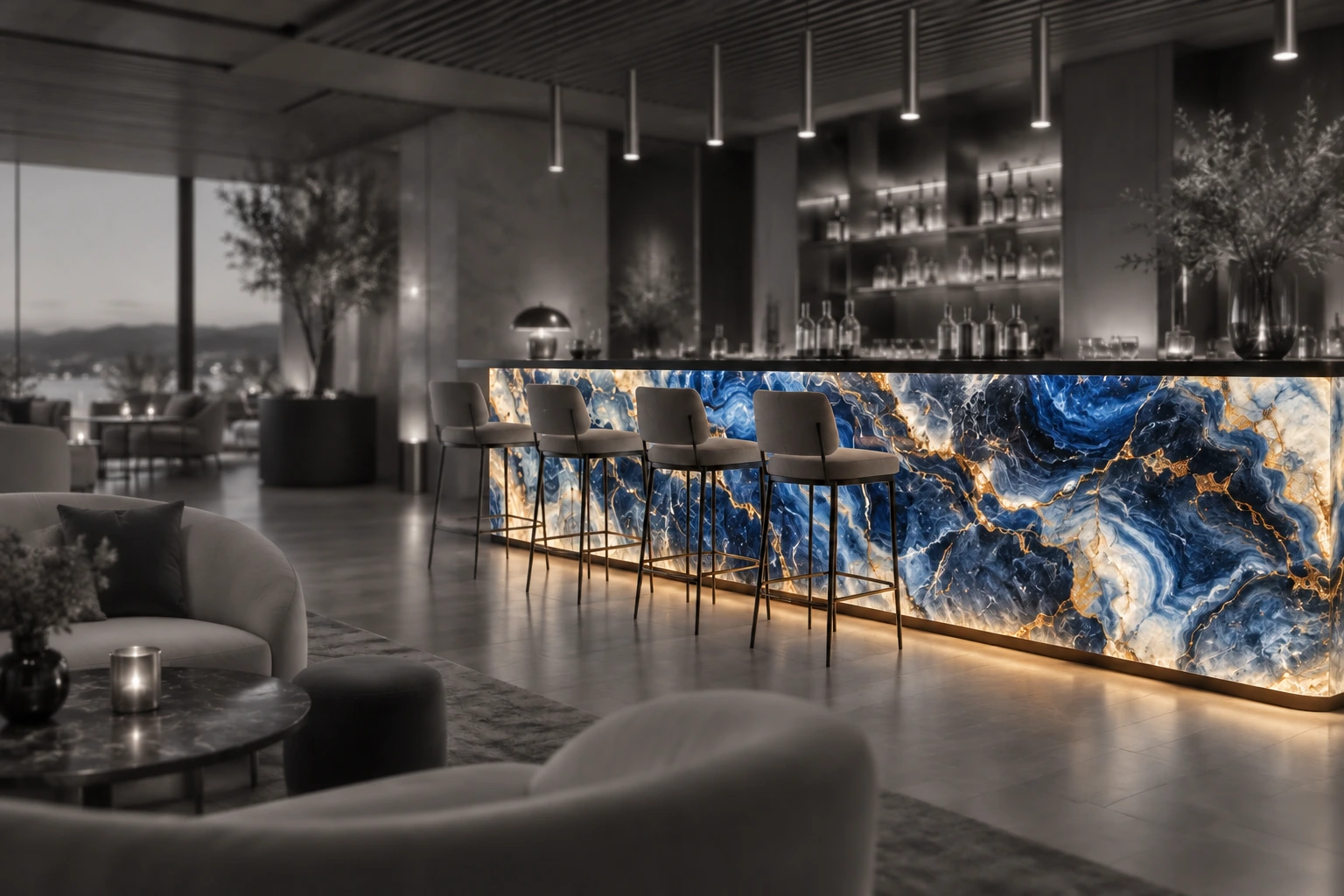
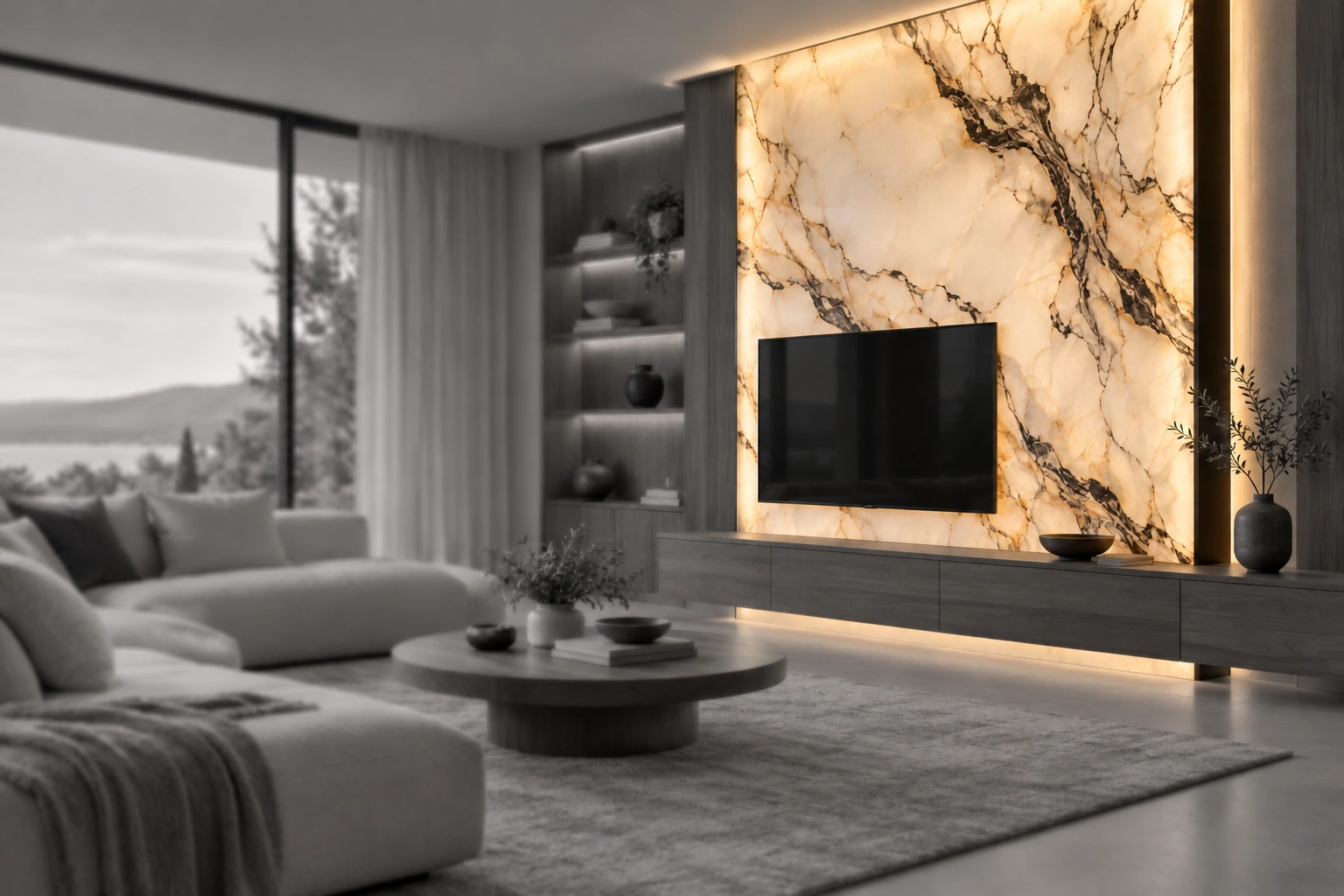
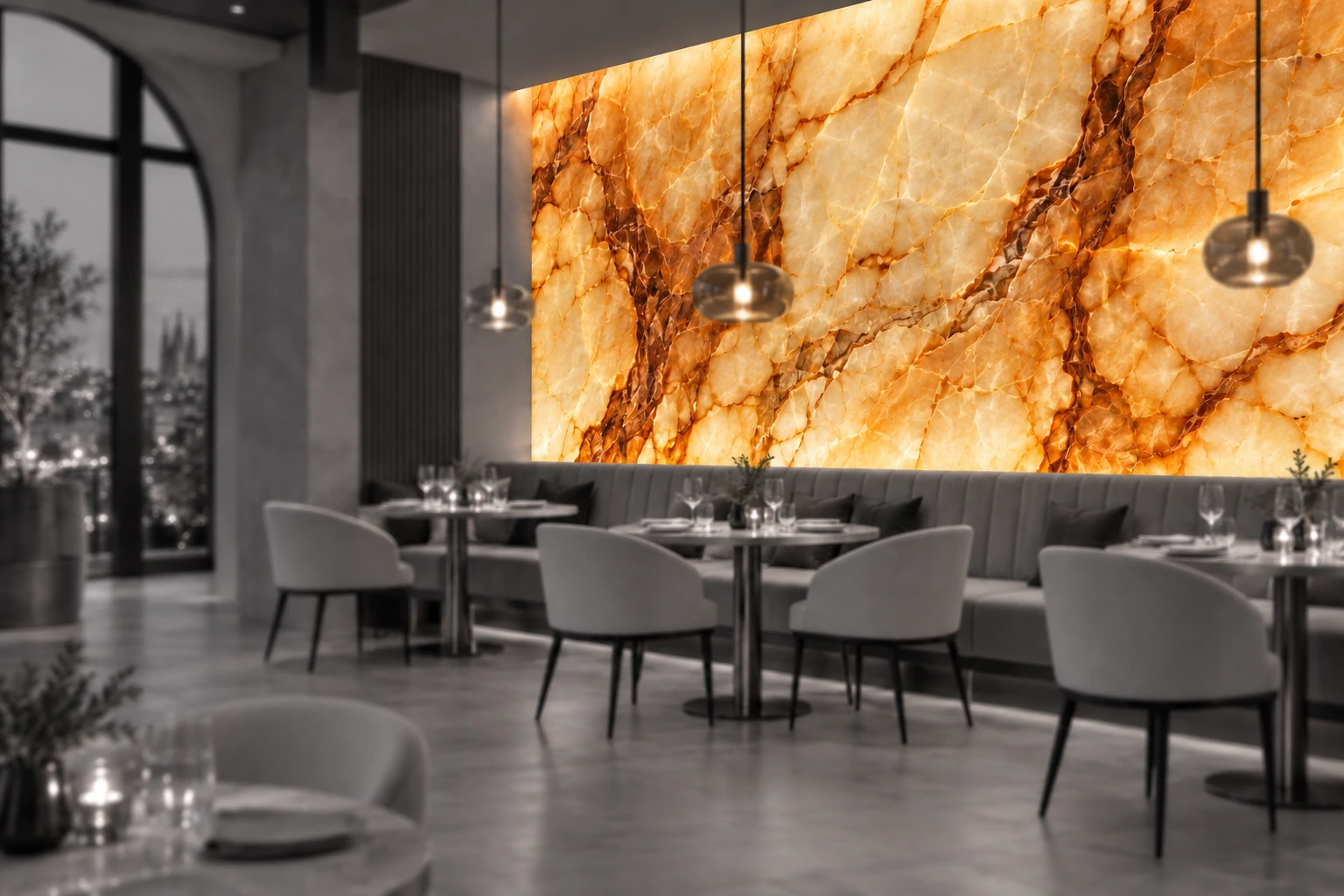
Backlit surfaces with a stone-like appearance
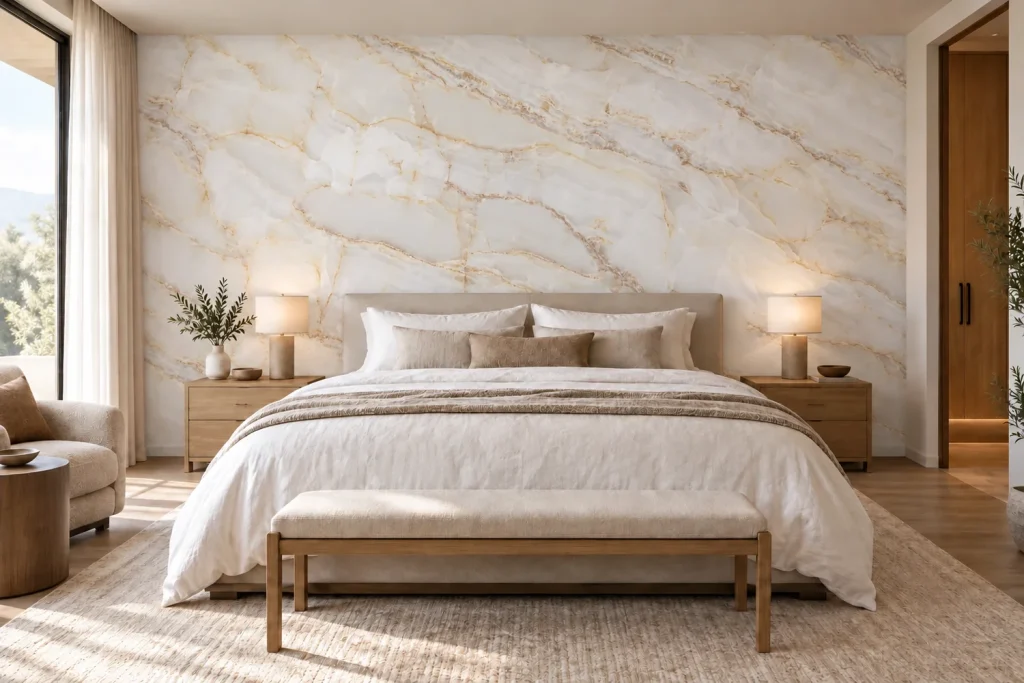
Alabaster, marble, quartzite, granite, quartz, and onyx serve as inspiration for creating luminous surfaces tailored to each project.
We start with mineral references to study their reproduction or adaptation by combining graphics, texture, color, and backlighting.
Each design is configured to achieve a consistent appearance whether the surface is lit or unlit. The scale of the pattern, the shades, the contrast, and the distribution of the grain can be customized according to the dimensions and visual language of the space.
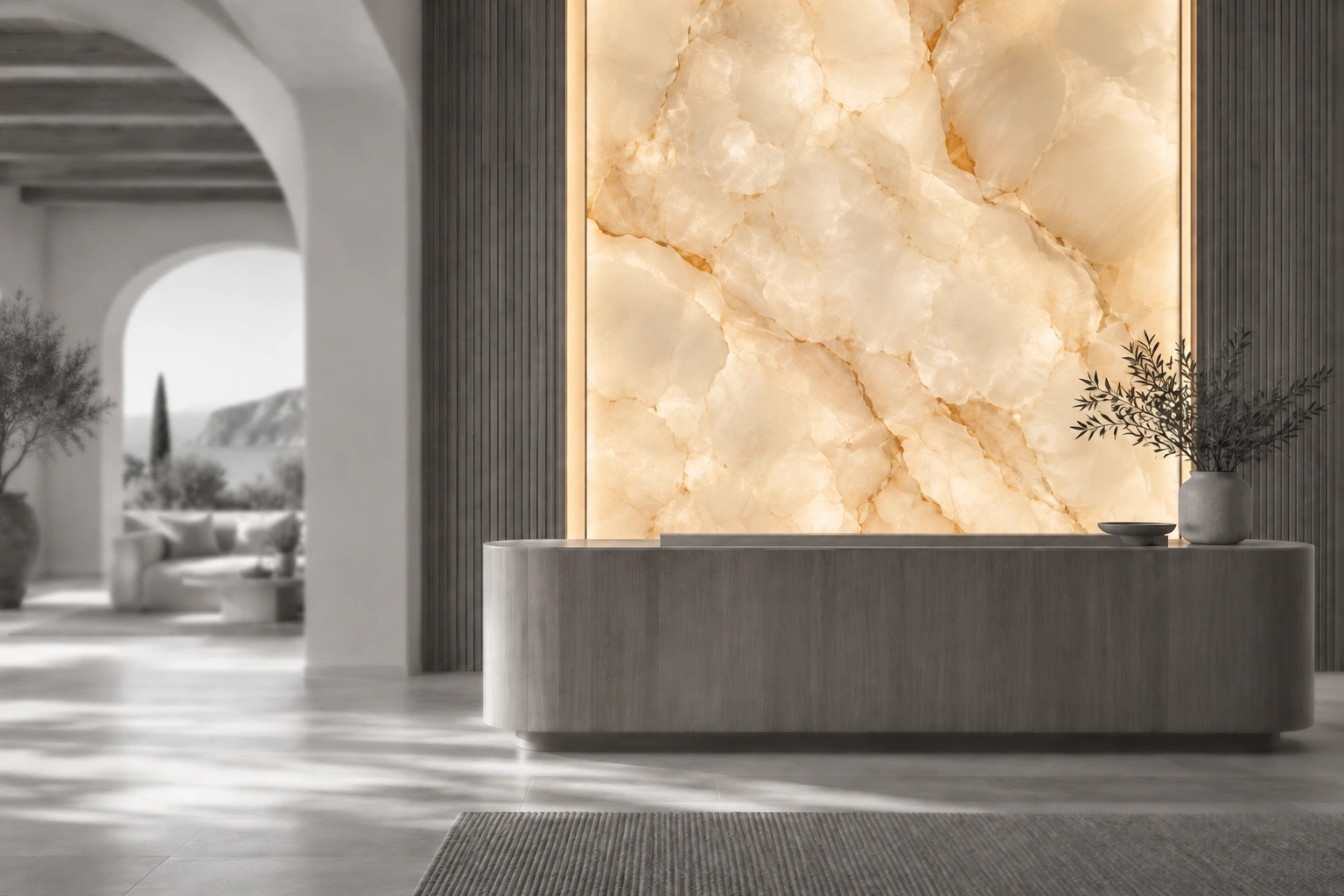
The backlighting adds depth to the composition and highlights grain patterns, translucency, and color variations. The result is a surface with architectural presence, designed to blend seamlessly into interior design, retail, and hospitality projects.
Different mineral appearances
Alabaster
Soft tones, translucent finishes, and a warm diffusion of light to create serene and enveloping atmospheres.
Marble
Distinct veining and elegant patterns that provide visual continuity and architectural character.
Quartzite
Layers, patterns, and mineral contrasts create surfaces with a more dynamic visual appeal.
Granite
A granular, stony appearance, suitable for understated designs with greater visual density.
Quartz
Light shades and a crystalline appearance that promote balanced light diffusion.
Onyx
Intense veining, striking contrasts, and warm tones that take on greater depth when backlit.
Tailored to each project
The interface can be customized using various variables:
- Mineral appearance.
- Scale and orientation of the veins.
- Hue and contrast.
- Level of texture.
- Dimensions and modulation.
- Temperature and light behavior.
- Visual perception when lit and unlit.
Applications
A solution designed to incorporate statement surfaces in:
- Reception areas and welcome areas.
- Hotels and hospitality spaces.
- Restaurants and dining areas.
- Retail and commercial spaces.
- Showrooms and exhibitions.
- Brand backdrops.
- Corporate spaces.
- Unique interior design projects.
From Concept to Exhibition
Before moving forward with production, we work together to evaluate the mineral appearance, graphics, texture, substrate, and lighting.
A physical sample allows us to verify the color, the scale of the veins, the level of texture, and the effect of backlighting to adjust the proposal to the desired result.
We start with a mineral appearance and study its pattern, texture, substrate, and lighting. The sample allows us to evaluate the result before finalizing the design.
Applications of Textured Surfaces in Architecture and Interior Design A solution capable of adapting to …
Configurations and Design Options for Textured Surfaces Various options for creating a surface tailored to …
Technical Information and Support for Textured Surfaces The information needed to confidently integrate and specify …
The images on this page are conceptual renderings generated using artificial intelligence.